Ivan Margolius – Heda Margolius Kovály – Rudolf Margolius
Books, Articles, Translations, Films, Interviews, Lectures, Collaborations, Graphic Design, Awards
Art, Architecture, Design, Engineering, Automobiles, History, Memoirs, Literature, Music
Our publications appeared in Czech, English, French, German, Italian, Spanish, Danish, Dutch, Norwegian, Romanian, Japanese, Chinese and Persian languages.
email : contact at margolius.co.uk
All images : copyright 2024 Margolius Family Archive
News
Art, Architecture, Design, Engineering, Automobiles, History, Memoirs, Literature, Music
Our publications appeared in Czech, English, French, German, Italian, Spanish, Danish, Dutch, Norwegian, Romanian, Japanese, Chinese and Persian languages.
email : contact at margolius.co.uk
All images : copyright 2024 Margolius Family Archive
News
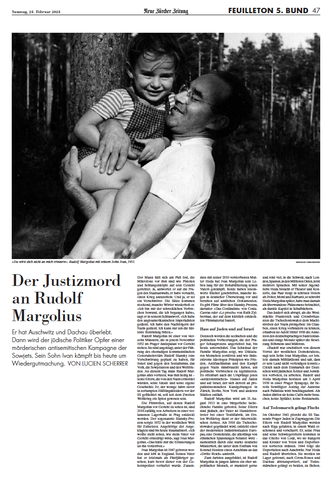
“Der Justizmord an Rudolf Margolius Er hat Auschwitz und Dachau überlebt. Dann wird der jüdische Politiker Opfer einer mörderischen antisemitischen Kampagne der Sowjets. Sein Sohn Ivan kämpft bis heute um Wiedergutmachung.”, Lucien Scherrer, Neue Zürcher Zeitung, 24 February, 2024, Feuilleton 5. Bund, pp. 48 - 50 (of the paper edition).
*
"Czechoslovakia's Sham Show Trials" - Kafka and Margolius - Mark Baker, Prague, 18 March, 2024.
*
*
"Czechoslovakia's Sham Show Trials" - Kafka and Margolius - Mark Baker, Prague, 18 March, 2024.
*
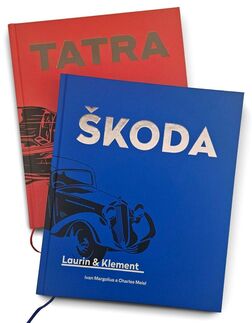
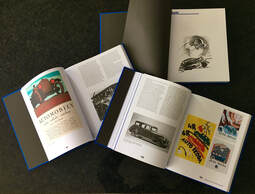
Czech edition of Škoda Laurin & Klement 1856-1991 značka osvědčená v celém světě, by Ivan Margolius and Charles Meisl was published on 5 April, 2024 by Argo, Praha, 2024, 288 pages, many illustrations in colour and black & white, ISBN 978-80-257-4259-4 (translation and update of the originally published Škoda Laurin & Klement by Osprey Publishing, London, 1992).
„Chtěli jsme, aby naše kniha byla trochu jiná než obvyklé publikace o škodovkách. Podívali jsme se tedy na tuto firmu z britských ostrovů a ukázali, jak byly české vozy v zahraničí v průběhu desetiletí přijímané, co na nich lidé ze Západu obdivovali a o čem si mysleli, že je třeba zlepšit,“ říká autor a zdůrazňuje také vysokou úroveň L&K / Škoda marketingu, kvalitní grafické zpracování firemních inzerátů, plakátů a dalších propagačních materiálů. „Chtěli jsme se podívat na Škodu i z uměleckého hlediska" ... A to se skutečně povedlo. Zatímco historii firmy vyprávějí autoři spíše střízlivým až technickým jazykem, ilustracemi doslova hýří. Podařilo se jim získat množství unikátních fotografií a faksimilií, které knihu povyšují na objevnou výpravu, na níž může zažít překvapení i ten největší znalec tématu.“ Irena Jirků, Hospodářské noviny, 26/4/2024
„Čím je tedy jiná než všechny knížky, které kdy o Škodě vznikly? Vedle výjimečného estetického zpracování a dobových prospektů, fotografií a reklamních materiálů je na ní nejcennější to, že přináší pohled na automobilku zvenčí, kterému se našinci dostávalo před érou internetu tak málo ... A tak se publikace skvěle čte a obohatí toho, kdo se nechce jen babrat v technických datech a donekonečna omílaných faktech z historie jednotlivých modelů. Sledování proměny vztahu ke značce z Boleslavi ... Zpestřením je přepis dnes už vzácné brožurky s ilustracemi Emila Posledníka, která ironicky glosuje, jak se k novému automobilu (ne)chovat. Po uvedení levných škodovek na trh ve 30. letech 20. století se samozřejmě zvedly prodeje a nikdo přece nečte návody. Margolius připomíná, že text této brožurky zakomponovaný do knihy vydané ve Velké Británii sklidil velký aplaus." Eva Srpová, Aktuálně.cz, 27/5/2024
„Velké množství fotografií, černobílých, barevných archivních i součastných snímků často velmi zřídka otištěných ve zdejších publikacích, dávají této knize specifický ráz ... tato kniha stojí za pozornost pro ty, koho zajímá i jiný než zdejší tradiční pohled na toto téma." Jan Tulis, Motor Journal 6/2024
Kniha vybraná Czech Design obchody.
*
„Chtěli jsme, aby naše kniha byla trochu jiná než obvyklé publikace o škodovkách. Podívali jsme se tedy na tuto firmu z britských ostrovů a ukázali, jak byly české vozy v zahraničí v průběhu desetiletí přijímané, co na nich lidé ze Západu obdivovali a o čem si mysleli, že je třeba zlepšit,“ říká autor a zdůrazňuje také vysokou úroveň L&K / Škoda marketingu, kvalitní grafické zpracování firemních inzerátů, plakátů a dalších propagačních materiálů. „Chtěli jsme se podívat na Škodu i z uměleckého hlediska" ... A to se skutečně povedlo. Zatímco historii firmy vyprávějí autoři spíše střízlivým až technickým jazykem, ilustracemi doslova hýří. Podařilo se jim získat množství unikátních fotografií a faksimilií, které knihu povyšují na objevnou výpravu, na níž může zažít překvapení i ten největší znalec tématu.“ Irena Jirků, Hospodářské noviny, 26/4/2024
„Čím je tedy jiná než všechny knížky, které kdy o Škodě vznikly? Vedle výjimečného estetického zpracování a dobových prospektů, fotografií a reklamních materiálů je na ní nejcennější to, že přináší pohled na automobilku zvenčí, kterému se našinci dostávalo před érou internetu tak málo ... A tak se publikace skvěle čte a obohatí toho, kdo se nechce jen babrat v technických datech a donekonečna omílaných faktech z historie jednotlivých modelů. Sledování proměny vztahu ke značce z Boleslavi ... Zpestřením je přepis dnes už vzácné brožurky s ilustracemi Emila Posledníka, která ironicky glosuje, jak se k novému automobilu (ne)chovat. Po uvedení levných škodovek na trh ve 30. letech 20. století se samozřejmě zvedly prodeje a nikdo přece nečte návody. Margolius připomíná, že text této brožurky zakomponovaný do knihy vydané ve Velké Británii sklidil velký aplaus." Eva Srpová, Aktuálně.cz, 27/5/2024
„Velké množství fotografií, černobílých, barevných archivních i součastných snímků často velmi zřídka otištěných ve zdejších publikacích, dávají této knize specifický ráz ... tato kniha stojí za pozornost pro ty, koho zajímá i jiný než zdejší tradiční pohled na toto téma." Jan Tulis, Motor Journal 6/2024
Kniha vybraná Czech Design obchody.
*
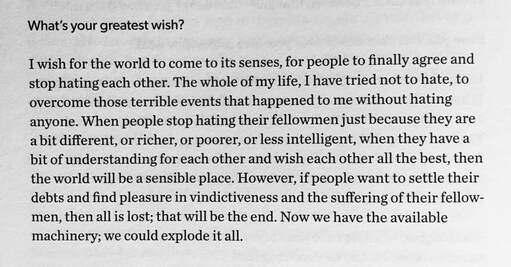
Heda Margolius Kovály's greatest wish expressed in 2001 and is so relevant for all times and especially nowadays.
(Hitler, Stalin and I, DoppelHouse Press, Los Angeles 2018, p. 152.)
*
(Hitler, Stalin and I, DoppelHouse Press, Los Angeles 2018, p. 152.)
*
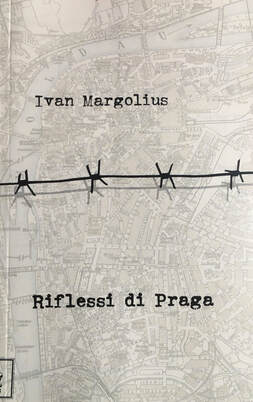
Italian edition of updated Reflections of Prague was published by Poldi Libri, Granze, under the title: Riflessi di Praga in June 2023.
Translation by Stefano Baldussi and Davide Sormani.
Size 13,5 x 21,5cm
336 pages
51 illustrations
ISBN 978-88-940346-3-9
Copies obtainable directly from Poldi Libri.
"Poldi, a small but combative publisher, has now translated the memoirs of Heda and Rudolf's son, Ivan Margolius (Reflessi di Praga, 336 pages, €22). Precisely that child that Heda talks about at length in her memoirs, from whom she had long hidden the cause of her father's death and, at her husband's wish, changed his surname to that of her second husband (Kovály). The author, who emigrated to England in 1966, is a well-known architect and author of several volumes, including a monograph on the visionary architectural concept of Jan Kaplický.
Reflessi di Praga tells of Ivan’s search for his father, the impossible hope of meeting him again in that car he imagines getting into at the beginning and end of the book. Through archive materials, family memories, trial documents, Ivan Margolius tries to reconstruct not only the adventures of his parents but also to give meaning to his own life, marked by the event that had thrown over him «a black cloud of anxiety that he never left again».
The sober and at the same time participatory style offers testimony on an event that has overwhelmed several generations. But it should not be forgotten because, as Ivan Margolius says in the letter to his parents at the end of the book, "the construction of a secure future for humanity in the further development of the world is impossible without a scrupulous study of past events." Alessandro Catalano, Il Manifesto, 10 September, 2023.
*
Translation by Stefano Baldussi and Davide Sormani.
Size 13,5 x 21,5cm
336 pages
51 illustrations
ISBN 978-88-940346-3-9
Copies obtainable directly from Poldi Libri.
"Poldi, a small but combative publisher, has now translated the memoirs of Heda and Rudolf's son, Ivan Margolius (Reflessi di Praga, 336 pages, €22). Precisely that child that Heda talks about at length in her memoirs, from whom she had long hidden the cause of her father's death and, at her husband's wish, changed his surname to that of her second husband (Kovály). The author, who emigrated to England in 1966, is a well-known architect and author of several volumes, including a monograph on the visionary architectural concept of Jan Kaplický.
Reflessi di Praga tells of Ivan’s search for his father, the impossible hope of meeting him again in that car he imagines getting into at the beginning and end of the book. Through archive materials, family memories, trial documents, Ivan Margolius tries to reconstruct not only the adventures of his parents but also to give meaning to his own life, marked by the event that had thrown over him «a black cloud of anxiety that he never left again».
The sober and at the same time participatory style offers testimony on an event that has overwhelmed several generations. But it should not be forgotten because, as Ivan Margolius says in the letter to his parents at the end of the book, "the construction of a secure future for humanity in the further development of the world is impossible without a scrupulous study of past events." Alessandro Catalano, Il Manifesto, 10 September, 2023.
*
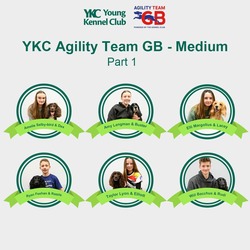
Elli Margolius and Lacey have been selected to represent Great Britain at the Junior Agility World Championships 2023 in the UK.
*
*
*
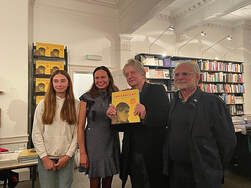
Jan Kaplický book launch, Architectural Association Bookshop, Bedford Square, London WC1, 12 October, 2022 with Johanka Kaplická, Eliška Kaplický Fuchsová and Deyan Sudjic.
*
*
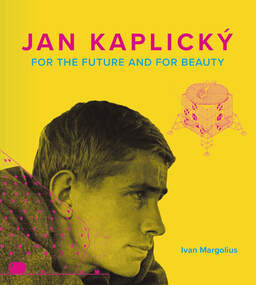
Jan Kaplický: For the Future and For Beauty, hardback, 376 pages, over 510 illustrations, Edition Axel Menges, Stuttgart, graphic design Alan Záruba, ISBN 978-3-86905-025-6, published on 15 September, 2022.
2021 Miroslav Ivanov Prize for Non-fiction Literature
"Excellent book, very well produced, incredible achievement ... Fabulous book ... A hugely impressive new book." Ian Willoughby, Radio Prague, November 2020
“Unique tribute to Jan Kaplický… An exceptional monograph… A captivating reading experience.” Stavba, Prague, June 2021
"The author has placed many voices alongside his own, there are interviews and dedication texts, there are memories and contemporary documents ... The book thus has ... a kaleidoscopic format that really explores Kaplický's complex personality and creativity. A quiet, concentrated and yet also lively representation of what years ago was still thought about the future - including that of construction. The readers will find out or not that beauty played a role." Deutsche BauZeitschrift, October 2022
"The book has many voices and a kaleidoscopic format that truly explore Kaplický's complex personality and creativity." Architectural Record, December 2022
"A new book on Jan Kaplický brings a much needed focus on his life and work. ... Extensively researched, the book ... alternates between Margolius' account of events, and interviews and reminiscences of friends and colleagues through the years. Margolius adds a lot of historical context, providing background both on Jan’s life and the wider political situation in the Czech Republic. He also paints a vivid picture of what it means to be an exile and how that might have played into the work. ...The book was a good read, bringing new insights, in particular about Kaplický's early years and family. It is full of gossip and the interviews have lots of funny and very telling stories, providing an affectionate and sometimes poignantly sad picture of him. ... It’s also a reminder of a particular moment in history and of the huge influence that Jan had on his contemporaries and on the entire architectural scene. There is still a lot to be learnt from Jan Kaplický’s clarity of vision, and his skill in communicating that vision, in which he is unsurpassed. ... This is a valuable contribution that will appeal to enthusiasts of Future Systems’ work and to those with an interest in late 20th Century architecture." Building Design, 16 February, 2023
"This is the first monograph on the life and work of the Czech born British architect Kaplický (1937-2009). It is a fully comprehensive work ... and is a portrait of one of the most distinguished architects and designers of the 20th and 21st centuries. ... it is an exploration into historical events, which influenced a number of talented artists, writers and designers, some of whom were forced, like Kaplický, to emigrate from. ... With his wide-ranging architectural and design oeuvre Kaplický affirmed greatness of his immense talent and ability." L'Arca International, no. 171, March-April 2023
"Ivan Margolius’s book expands on the template of the conventional biography to include broader chunks of cultural context – on London in the 1960s, on Communist and post-Communist Czechoslovakia, on the discreet charm of the Ladbroke Arms in London W11. He also includes interviews with, and mini memoirs by, family, friends, colleagues and other interested parties. As a result we get an unusually vivid sense of a brilliant, charismatic and sometimes difficult man, sardonic and lugubrious, but clearly the object of love as well as admiration, whose death in 2009, at the age of seventy-one, was sudden and unexpected. In fact, much of this material seems to have been harvested by Margolius relatively soon after his subject’s passing, and prickles with a sense of fresh loss." 'Molluscoid megablobs - Think with a pencil - The life of an architect with an appetite for independence', Keith Miller, Times Literary Supplement, 17 November, 2023
"This publication not only shows the protagonist's futuristic and experimental research, but at the same time it is a documentation of many like-minded people who, like him, had to emigrate from Czechoslovakia in order to find and seek the truly beautiful in a democratic and free world … Ivan Margolius has been a long-time companion of Jan Kaplický and has therefore been able to give the publication a very personal touch. In his notes, the thoughts and memories of many friends and companions of the future visionary, who died very suddenly in 2009, complement the range of topics. The result is a work that, with its impressive images, models and drawings, presents an architect who seems to have been a few steps ahead of his time." Deutsche Bauzeitung, April 2024
"The book does an excellent job of balancing people's memories of Jan in the interviews with the progress of his work and rising reputation over the years." David Nixon
Readers' comments:
"The book is wonderful, you have done Jan proud, I had a flick through, but will give it much more attention over the coming weeks, months and years!! It is a treasure..."
"Really enjoying it so far ... Especially dipping in and out of different contributors, that makes it really special. Surely it will become a classic."
"Brilliant and well done!"
"Your book is very engaging. Beautifully produced."
"I read the book 'cover to cover' with great pleasure. Well written and documented with photographs. JK deserves it."
"It looks very impressive, both the documentary work and all the interviews and testimonials. And visually it is beautiful."
"I liked the book a lot."
"It was one of the best reads I've had in years."
*
2021 Miroslav Ivanov Prize for Non-fiction Literature
"Excellent book, very well produced, incredible achievement ... Fabulous book ... A hugely impressive new book." Ian Willoughby, Radio Prague, November 2020
“Unique tribute to Jan Kaplický… An exceptional monograph… A captivating reading experience.” Stavba, Prague, June 2021
"The author has placed many voices alongside his own, there are interviews and dedication texts, there are memories and contemporary documents ... The book thus has ... a kaleidoscopic format that really explores Kaplický's complex personality and creativity. A quiet, concentrated and yet also lively representation of what years ago was still thought about the future - including that of construction. The readers will find out or not that beauty played a role." Deutsche BauZeitschrift, October 2022
"The book has many voices and a kaleidoscopic format that truly explore Kaplický's complex personality and creativity." Architectural Record, December 2022
"A new book on Jan Kaplický brings a much needed focus on his life and work. ... Extensively researched, the book ... alternates between Margolius' account of events, and interviews and reminiscences of friends and colleagues through the years. Margolius adds a lot of historical context, providing background both on Jan’s life and the wider political situation in the Czech Republic. He also paints a vivid picture of what it means to be an exile and how that might have played into the work. ...The book was a good read, bringing new insights, in particular about Kaplický's early years and family. It is full of gossip and the interviews have lots of funny and very telling stories, providing an affectionate and sometimes poignantly sad picture of him. ... It’s also a reminder of a particular moment in history and of the huge influence that Jan had on his contemporaries and on the entire architectural scene. There is still a lot to be learnt from Jan Kaplický’s clarity of vision, and his skill in communicating that vision, in which he is unsurpassed. ... This is a valuable contribution that will appeal to enthusiasts of Future Systems’ work and to those with an interest in late 20th Century architecture." Building Design, 16 February, 2023
"This is the first monograph on the life and work of the Czech born British architect Kaplický (1937-2009). It is a fully comprehensive work ... and is a portrait of one of the most distinguished architects and designers of the 20th and 21st centuries. ... it is an exploration into historical events, which influenced a number of talented artists, writers and designers, some of whom were forced, like Kaplický, to emigrate from. ... With his wide-ranging architectural and design oeuvre Kaplický affirmed greatness of his immense talent and ability." L'Arca International, no. 171, March-April 2023
"Ivan Margolius’s book expands on the template of the conventional biography to include broader chunks of cultural context – on London in the 1960s, on Communist and post-Communist Czechoslovakia, on the discreet charm of the Ladbroke Arms in London W11. He also includes interviews with, and mini memoirs by, family, friends, colleagues and other interested parties. As a result we get an unusually vivid sense of a brilliant, charismatic and sometimes difficult man, sardonic and lugubrious, but clearly the object of love as well as admiration, whose death in 2009, at the age of seventy-one, was sudden and unexpected. In fact, much of this material seems to have been harvested by Margolius relatively soon after his subject’s passing, and prickles with a sense of fresh loss." 'Molluscoid megablobs - Think with a pencil - The life of an architect with an appetite for independence', Keith Miller, Times Literary Supplement, 17 November, 2023
"This publication not only shows the protagonist's futuristic and experimental research, but at the same time it is a documentation of many like-minded people who, like him, had to emigrate from Czechoslovakia in order to find and seek the truly beautiful in a democratic and free world … Ivan Margolius has been a long-time companion of Jan Kaplický and has therefore been able to give the publication a very personal touch. In his notes, the thoughts and memories of many friends and companions of the future visionary, who died very suddenly in 2009, complement the range of topics. The result is a work that, with its impressive images, models and drawings, presents an architect who seems to have been a few steps ahead of his time." Deutsche Bauzeitung, April 2024
"The book does an excellent job of balancing people's memories of Jan in the interviews with the progress of his work and rising reputation over the years." David Nixon
Readers' comments:
"The book is wonderful, you have done Jan proud, I had a flick through, but will give it much more attention over the coming weeks, months and years!! It is a treasure..."
"Really enjoying it so far ... Especially dipping in and out of different contributors, that makes it really special. Surely it will become a classic."
"Brilliant and well done!"
"Your book is very engaging. Beautifully produced."
"I read the book 'cover to cover' with great pleasure. Well written and documented with photographs. JK deserves it."
"It looks very impressive, both the documentary work and all the interviews and testimonials. And visually it is beautiful."
"I liked the book a lot."
"It was one of the best reads I've had in years."
*
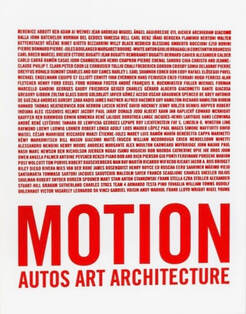
Chapter on 'Modernism, Automobiles and Architects' in Norman Foster, Motion. Autos Art Architecture, Ivorypress, Madrid, 2022,
ISBN 978-84-12279-25-2, pp. 62 - 65
"Thank you for such a great contribution to the catalogue, and for your inspiration." Norman Foster
*
ISBN 978-84-12279-25-2, pp. 62 - 65
"Thank you for such a great contribution to the catalogue, and for your inspiration." Norman Foster
*
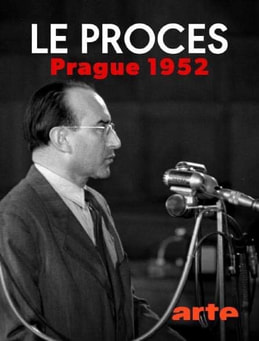
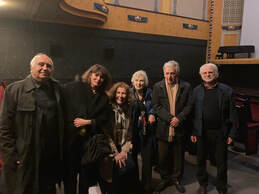
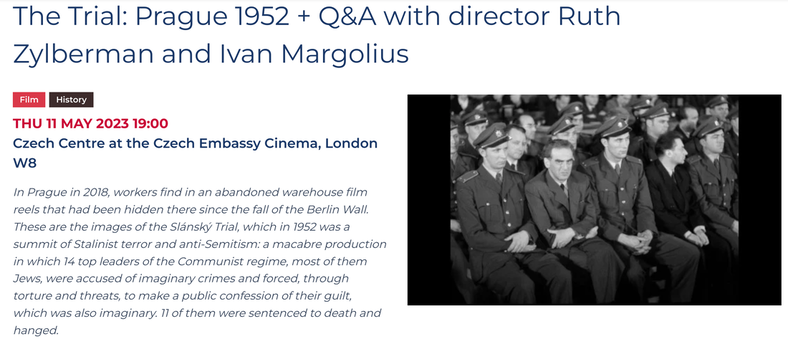
Le Procès - Prague 1952, (2021) 1hr 10min documentary film by Ruth Zylberman for ARTE France & Pernel Media was released at the FIPADOC International Documentary Festival, Biarritz, France on 18 January, 2022.
Private show at Louxor Cinema, Paris on 15 March, 2022.
From the left: Michel London, Ruth Zylberman, Michelle Ray-Gavras, Françoise London, Costa-Gavras, I M.
Pre-premiere show at Kino 35, Institut Français, Prague on 26 September, 2022.
Discussion after the show with Ruth Zylberman, Marta Slánská, Michél London and I M.
Included in the Vrai de Vrai Festival 2023 (organised by Société civile des auteurs multimédia) in Paris, 2 & 3 December, 2023.
“The great merit of Ruth Zylberman is to have been able to integrate the images into a process giving them their full place, putting them in the foreground, in relation to the before and after of the trial itself … The interviews conducted by the filmmaker with the children [of the accused] have a great cinematographic and historical value … A great history film.” Dicodoc.blog 2022
*
Private show at Louxor Cinema, Paris on 15 March, 2022.
From the left: Michel London, Ruth Zylberman, Michelle Ray-Gavras, Françoise London, Costa-Gavras, I M.
Pre-premiere show at Kino 35, Institut Français, Prague on 26 September, 2022.
Discussion after the show with Ruth Zylberman, Marta Slánská, Michél London and I M.
Included in the Vrai de Vrai Festival 2023 (organised by Société civile des auteurs multimédia) in Paris, 2 & 3 December, 2023.
“The great merit of Ruth Zylberman is to have been able to integrate the images into a process giving them their full place, putting them in the foreground, in relation to the before and after of the trial itself … The interviews conducted by the filmmaker with the children [of the accused] have a great cinematographic and historical value … A great history film.” Dicodoc.blog 2022
*
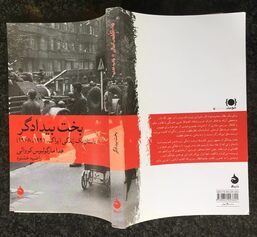
Heda Margolius Kovály, Under a Cruel Star بخت بیدادگر (Bakht-i bīdādgar; Dāstān-i yak zindagī) ISBN 978-964-209-360-1, published in Persian by Mahi, translated by Razieh Khoshnud, 2021.
Also available in Czech, English, French, Chinese, Spanish, Italian, Danish, Romanian, German, Dutch, Norwegian, Japanese.
*
Also available in Czech, English, French, Chinese, Spanish, Italian, Danish, Romanian, German, Dutch, Norwegian, Japanese.
*
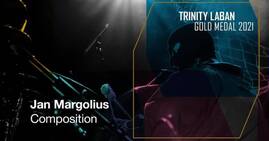
Congratulations to Jan Margolius for achieving First Class Honours BMus (Hons) Composition degree at Trinity Laban Conservatoire, as well as for receiving Director Dominic Murcott's Prize for Excellence in Composition for the academic year 2019-20, for his nomination for the Trinity Laban Gold Medal Showcase 2021 representing Composition Department, and for his "Under a Cruel Star" composition in his final year at Trinity Laban.
"Under a Cruel Star" extract here: https://www.youtube.com/watch?v=BhinhJHV_S8
*
Other Europe: Jacques Rupnik Interview with Heda Margolius-Kovály, New York, 10 January, 1988
*
"Under a Cruel Star" extract here: https://www.youtube.com/watch?v=BhinhJHV_S8
*
Other Europe: Jacques Rupnik Interview with Heda Margolius-Kovály, New York, 10 January, 1988
*
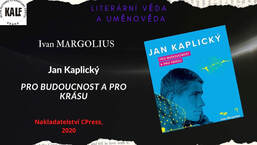
2021 Miroslav Ivanov Prize for Non-fiction Literature in the literary science and history of art category received by Ivan Margolius for Jan Kaplický: Pro budoucnost a pro krásu, CPress Brno 2020 at the Prague Book Fair, 24/9/2021.
*
Congratulations to Elli Margolius for achieving International Young Handler of Dog Agility Award in 2017, at 11 years of age,
and 2021 Grand Finals Junior 500 Champion in UK Agility at 15 years of age.
*
Ivan Margolius rozhovor s Ondřejem Cihlářem na programu 'Vizitka', V garáži mám zaparkovaný Tatraplan, připomíná mi tátu ...
Radio Vltava, Praha, 26/11/2020
*
Program 'Bourání', Ivan Margolius rozhovor s Karolínou Vránkovou, Radio Wave, Český rozhlas, 25/3/2021
*
Ohlas přednášky Ivana Margoliuse organizovanou pro Muzeum města Prahy o Jan Kaplický knize 7/4/2021 Blesk.cz
*
*
Congratulations to Elli Margolius for achieving International Young Handler of Dog Agility Award in 2017, at 11 years of age,
and 2021 Grand Finals Junior 500 Champion in UK Agility at 15 years of age.
*
Ivan Margolius rozhovor s Ondřejem Cihlářem na programu 'Vizitka', V garáži mám zaparkovaný Tatraplan, připomíná mi tátu ...
Radio Vltava, Praha, 26/11/2020
*
Program 'Bourání', Ivan Margolius rozhovor s Karolínou Vránkovou, Radio Wave, Český rozhlas, 25/3/2021
*
Ohlas přednášky Ivana Margoliuse organizovanou pro Muzeum města Prahy o Jan Kaplický knize 7/4/2021 Blesk.cz
*
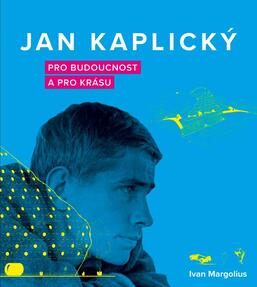
Ivan Margolius, Jan Kaplický: Pro budoucnost a pro krásu [Jan Kaplický: For the Future and For Beauty], CPress a Kaplicky Centre, Brno/Praha 2020, 352 stran, přes 510 ilustrací, překlad Tatiana Fröhlich, grafická úprava Alan Záruba, ISBN 978-80-264-3350-7.
2021 Miroslav Ivanov Prize for Non-fiction Literature.
English edition published by Edition Axel Menges, ISBN 978-3-86905-025-6 in September 2022.
"Vaše kniha mě oslovila, z toho co jsem měl čas si přečíst v dobrém naplňuje to, co jsem od ní očekával, tedy, že se s Kaplickým seznámím přes jeho úspěšnou zahraniční práci. Zároveň je mi sympatické, že ho tak zvaně „nešetříte“ a upřímně píšete například o jeho uzavřenosti, je tam vůbec řada zajímavých detailů, text se dobře čte. To dává čtenáři pocit, že čte opravdový příběh a ne pouze oslavnou ódu." Petr Kořínek, Česká televize, listopad 2020
"Architekt a autor Ivan Margolius připravoval knihu ještě za života Jana Kaplického, měl možnost poznat ho osobně a byl mu blízkým přítelem již během pobytu v Londýně. Četná setkání obou českých architektů, zajímavé postřehy a diskuze byly prvními impulzy pro vznik této knihy. Po smrti Jana Kaplického v roce 2009 Margolius vykonal neuvěřitelně rozsáhlou badatelskou práci zaměřenou na dílo a život svého přítele. Shromáždil bohatý archiv vzpomínek pamětníků Jana, nahrával rozhovory s jeho přáteli, klienty a spolupracovníky.
Právě tyto rozhovory a vzpomínky tvoří jádro této knihy, a shromážděný materiál autor používá přirozeně, nepřitahuje čtenáře nadbytkem informací, ale spíše staví portrét architekta, vypraví jeho příběh." Maria Szadkowska, Vogue.cz, listopad 2020
"Excellent book, very well produced, incredible achievement ... Fabulous book ... A hugely impressive new book Jan Kaplický: Pro budoucnost a pro krásu (For the Future and for Beauty). The hefty book is the fruit of 10 years of work by his friend Ivan Margolius, himself also a Prague-born architect who made a life and career in the UK. It traces his beginnings in Czechoslovakia, the story of the highly progressive Future Systems studio and the realisation of some of Kaplický’s space-age designs, alongside interviews with many of his closest associates." Ian Willoughby, Radio Prague, November 2020
"O své vzpomínky na Jana Kaplického se v knize podělili jeho blízcí i spolupracovníci (např. Eva Jiřičná, Pavel Bobek, Eliška Kaplický Fuchsová či Richard Rogers, Norman Foster, Brian Clarke a další). Čtenáři díky tomu získají mnohem širší perspektivu, z jaké mohou nahlížet na Kaplického osobnost i tvorbu. Jak vypadal Kaplického běžný pracovní den ve studiu Future Systems v Londýně? Co ho těšilo a co ho naopak dokázalo rozladit? Jaké měl koníčky? Jak odpočíval? Kde čerpal inspiraci pro své nekonvenční dechberoucí stavby? To vše se v knize dozvědí. A ještě mnohem více …" Linda Haburová, Místní kultura, 16/11/2020
“Autor … se snaží poskytnout portrét nekonformního člověka, pečlivě analyzuje jeho rodinné zázemí, kulturní a společenské klima, které Kaplického formovalo, i období jeho největší slávy od devadesátých let, kdy realizoval své zásadní dila. Monografie je pojata jako mozaika postřehů, komentářů a vzpomínek lidí z jeho okolí, objevují se take vzpomínky i texty věhlasných anglických architektů a dnes již legend oboru.” Matěj Beránek, Echo, 13/12/2020
Zdeněk Lukeš vybral tuto knihu do ankety Kniha roku 2020, Orientace, Lidové noviny, Praha 12/12/2020
"Česká 352-stránková kniha nabízí precizně zpracovanou a hojně ilustrovanou historii rodinky Kaplický, architektův začátek, přiblížení osobního života, nejdůležitější části jeho vizí i realizovaných děl, zajímavé rozhovory i odkaz, jenž tu po sobě Kaplický zanechal ... Více jak dvoukilová a velmi zdařile zpracovaná publikace není jen povrchním, ale velmi obsáhlým pohledem na Jana Kaplického a to zeširoka. Začíná se velmi podstatným zázemím výtvarně založené rodiny Kaplický a pokračuje přes prvotní myšlenky v době studií a první díla v tehdejším Československu. Publikace obsahuje řadu poutavých rozhovorů a vzpomínek na Jana Kaplického od slavných osobností jako Eva Jiříčná, Amanda Levete, Richard Rogers, David Nixon či Norman Foster ... Tím vším se prolíná řada unikátních fotografií z osobních rodinných archivů a především ukázky Kaplického návrhů staveb, interiérů i designu různých řešení například nábytku či architektonických prvků interiéru." Ondřej Krynek, DesignMag, 14/12/2020
"Krásná kniha." Český rozhlas, Praha 16/12/2020
"Nevzniká tak pouze kniha o díle, které nejvýrazněji reprezentují například obchodní dům Selfridges v Birminghamu nebo pontonový most v Londýně, ale hlavně kniha o člověku. O člověku, jenž podle kolegů i blízkých těžce nesl kritiku a od partnerek vyžadoval tvárnost a submisivitu, přitom však v práci dokázal vidět napřed." Monika Zavřelová, idnes.cz, 7/1/2021
"V Kaplického pozůstalosti je široké portfolio mezinárodně proslulých futuristických návrhů. Právě jejich rozbor, stejně jako líčení Kaplického začátků v Londýně, kam v roce 1968 emigroval, patří k tomu nejzajímavějšímu z objemné knihy Ivana Margolia ... Nekonvenční kniha o Janu Kaplickém je hutná, naplněná desítkami skic, nákresů popisů, přímo vybízí listovat a zastavovat se v různých pasážích." Magdalena Čechlovská, Aktuálně.cz, 11/1/2021
"Je zde tak nějak všechno o Janu Kaplickém. Jen málokterý český architekt se dočkal tak pečlivé a čtivé biografie.", Architektura kolem nás, Časopis Host, Brno, 13/2/2021
"Biografie Ivana Margolia ... vypráví precizně a s péčí o detail ... celý Kaplického příběh ... Autor v průběhu let vyzpovídal zásadní lidi, kteří architekta znali. K dispozici měl fotografie i jeho deníky, procházel rozhovory a články, informace k realizovaným i nerealizovaným projektům. A pak z nich sestavil přehledně strukturovaný, plastický a zábavný příběh ..." Karolína Vránková, Respekt, 21/2/2021
Premiéra magazínu Ex libris představí monografii Jana Kaplického z pera Ivana Margoliuse. Přečetl a ukázky vybral Lukáš Hurník.
Český rozhlas 16/3/2021
Rozhovor s Matějem Beránkem na earch.cz 10/5/2021
"Máme na knižním trhu dostatečně reprezentativní publikaci „o architektovi,o architektuře a době“, kterou bychom mohli takto doporučit? A obdobně říci, toto je „pomník architektovi a architektuře“? Taková opravdu „silná“ publikace – silná svojí výpovědí o osudu člověka a architekta, na knižním trhu je – stala se jí monografie Jan Kaplický – pro budoucnost a pro krásu ... Recenzovaná monografie je v ... řadě knih reprezentujících architekty a jejich dílo výjimečná. Čtrnáctobsažných kapitol s Epilogem a přílohami nabízí čtenáři, díky Ivanu Margoliovi, jako autorovi ... nesmírně nevídaně plastický obraz „života a díla“ Jana Kaplického – očekávaný i překvapivý, objevný a jedinečný! ... Nelze dost zdůraznit: monografie pečlivě až vyčerpávajícím způsobem přibližující architekta Jana Kaplického nám odkrývá život a dílo plné rizik, neúnavného až sebezničujícího úsilí, prestiže z nerealizovaných i realizovaných návrhů, překvapivé absence zájmu o samotný proces výstavby na staveništi a nevídané koncentrace na cílový produkt, vize versus normy a pravidla, sváru radostné energie a pesimismu, vzestupů, konfliktů i sebeobětování, nadějí i pádů, osamělosti i obklopení těmi nejzajímavějšími lidmi, příběh – drama o křehkosti, zranitelnosti i nelítostnosti a síle osobnosti. ... Autorem Ivanem Margoliem zvolený postup, kdy do šesti kapitol chronologického výkladového rámce (s dobovými doklady, poznámkovým aparátem) průběžně vstupují úžasné „Vzpomínky“ (sugestivní svědectví/výpovědi, ale často i jedinečné dialogy vedené s I. Margoliem) řady osobností od dětství, studentských let, exilu a vedení a práce ateliérů až po návrat do České republiky, to vše činí z knihy doslova strhující čtenářský zážitek. Tyto kapitoly budou čtenáři vyhledávány pro nadčasové svědectví o člověku a době. ... Ovšem i další kapitoly počínaje Prologem a sedmi závěrečnými kapitolami jsou pro poznání jeho osobnosti a architektury neméně podstatné a jsou opět čtenářským a intelektuálním zážitkem umocněným rozhovory/svědectvími osobností architektonické scény jako Norman Foster, Brian Clarke ad. ... Přiznáme se, že jsme zaskočeni sugestivní silou řady textů/výpovědí/vyznání, že se ostýcháme vybírat. Uvedeme jen znovu příznačnou osudovou formulaci – podtitul Margoliovy monografie – „pro budoucnost a pro krásu“ a – „naladit se na možnosti, které přináší zítřek“. V těch formulacích je obsažena celoživotní aspirace člověka i architekta Jana Kaplického." Ondřej Beneš a Oldřich Ševčík, 'Jedinečná pocta Janu Kaplickému', Stavba 2/2021
“Unique tribute to Jan Kaplický… An exceptional monograph… A captivating reading experience.” Stavba, Prague, June 2021
"Vaše publikace má ve všech parametrech nejvyšší kvality." PhDr Oldřich Ševčík, FA ČVUT, Ústav teorie a historie
architektury, Praha, 27/5/2021
*
2021 Miroslav Ivanov Prize for Non-fiction Literature.
English edition published by Edition Axel Menges, ISBN 978-3-86905-025-6 in September 2022.
"Vaše kniha mě oslovila, z toho co jsem měl čas si přečíst v dobrém naplňuje to, co jsem od ní očekával, tedy, že se s Kaplickým seznámím přes jeho úspěšnou zahraniční práci. Zároveň je mi sympatické, že ho tak zvaně „nešetříte“ a upřímně píšete například o jeho uzavřenosti, je tam vůbec řada zajímavých detailů, text se dobře čte. To dává čtenáři pocit, že čte opravdový příběh a ne pouze oslavnou ódu." Petr Kořínek, Česká televize, listopad 2020
"Architekt a autor Ivan Margolius připravoval knihu ještě za života Jana Kaplického, měl možnost poznat ho osobně a byl mu blízkým přítelem již během pobytu v Londýně. Četná setkání obou českých architektů, zajímavé postřehy a diskuze byly prvními impulzy pro vznik této knihy. Po smrti Jana Kaplického v roce 2009 Margolius vykonal neuvěřitelně rozsáhlou badatelskou práci zaměřenou na dílo a život svého přítele. Shromáždil bohatý archiv vzpomínek pamětníků Jana, nahrával rozhovory s jeho přáteli, klienty a spolupracovníky.
Právě tyto rozhovory a vzpomínky tvoří jádro této knihy, a shromážděný materiál autor používá přirozeně, nepřitahuje čtenáře nadbytkem informací, ale spíše staví portrét architekta, vypraví jeho příběh." Maria Szadkowska, Vogue.cz, listopad 2020
"Excellent book, very well produced, incredible achievement ... Fabulous book ... A hugely impressive new book Jan Kaplický: Pro budoucnost a pro krásu (For the Future and for Beauty). The hefty book is the fruit of 10 years of work by his friend Ivan Margolius, himself also a Prague-born architect who made a life and career in the UK. It traces his beginnings in Czechoslovakia, the story of the highly progressive Future Systems studio and the realisation of some of Kaplický’s space-age designs, alongside interviews with many of his closest associates." Ian Willoughby, Radio Prague, November 2020
"O své vzpomínky na Jana Kaplického se v knize podělili jeho blízcí i spolupracovníci (např. Eva Jiřičná, Pavel Bobek, Eliška Kaplický Fuchsová či Richard Rogers, Norman Foster, Brian Clarke a další). Čtenáři díky tomu získají mnohem širší perspektivu, z jaké mohou nahlížet na Kaplického osobnost i tvorbu. Jak vypadal Kaplického běžný pracovní den ve studiu Future Systems v Londýně? Co ho těšilo a co ho naopak dokázalo rozladit? Jaké měl koníčky? Jak odpočíval? Kde čerpal inspiraci pro své nekonvenční dechberoucí stavby? To vše se v knize dozvědí. A ještě mnohem více …" Linda Haburová, Místní kultura, 16/11/2020
“Autor … se snaží poskytnout portrét nekonformního člověka, pečlivě analyzuje jeho rodinné zázemí, kulturní a společenské klima, které Kaplického formovalo, i období jeho největší slávy od devadesátých let, kdy realizoval své zásadní dila. Monografie je pojata jako mozaika postřehů, komentářů a vzpomínek lidí z jeho okolí, objevují se take vzpomínky i texty věhlasných anglických architektů a dnes již legend oboru.” Matěj Beránek, Echo, 13/12/2020
Zdeněk Lukeš vybral tuto knihu do ankety Kniha roku 2020, Orientace, Lidové noviny, Praha 12/12/2020
"Česká 352-stránková kniha nabízí precizně zpracovanou a hojně ilustrovanou historii rodinky Kaplický, architektův začátek, přiblížení osobního života, nejdůležitější části jeho vizí i realizovaných děl, zajímavé rozhovory i odkaz, jenž tu po sobě Kaplický zanechal ... Více jak dvoukilová a velmi zdařile zpracovaná publikace není jen povrchním, ale velmi obsáhlým pohledem na Jana Kaplického a to zeširoka. Začíná se velmi podstatným zázemím výtvarně založené rodiny Kaplický a pokračuje přes prvotní myšlenky v době studií a první díla v tehdejším Československu. Publikace obsahuje řadu poutavých rozhovorů a vzpomínek na Jana Kaplického od slavných osobností jako Eva Jiříčná, Amanda Levete, Richard Rogers, David Nixon či Norman Foster ... Tím vším se prolíná řada unikátních fotografií z osobních rodinných archivů a především ukázky Kaplického návrhů staveb, interiérů i designu různých řešení například nábytku či architektonických prvků interiéru." Ondřej Krynek, DesignMag, 14/12/2020
"Krásná kniha." Český rozhlas, Praha 16/12/2020
"Nevzniká tak pouze kniha o díle, které nejvýrazněji reprezentují například obchodní dům Selfridges v Birminghamu nebo pontonový most v Londýně, ale hlavně kniha o člověku. O člověku, jenž podle kolegů i blízkých těžce nesl kritiku a od partnerek vyžadoval tvárnost a submisivitu, přitom však v práci dokázal vidět napřed." Monika Zavřelová, idnes.cz, 7/1/2021
"V Kaplického pozůstalosti je široké portfolio mezinárodně proslulých futuristických návrhů. Právě jejich rozbor, stejně jako líčení Kaplického začátků v Londýně, kam v roce 1968 emigroval, patří k tomu nejzajímavějšímu z objemné knihy Ivana Margolia ... Nekonvenční kniha o Janu Kaplickém je hutná, naplněná desítkami skic, nákresů popisů, přímo vybízí listovat a zastavovat se v různých pasážích." Magdalena Čechlovská, Aktuálně.cz, 11/1/2021
"Je zde tak nějak všechno o Janu Kaplickém. Jen málokterý český architekt se dočkal tak pečlivé a čtivé biografie.", Architektura kolem nás, Časopis Host, Brno, 13/2/2021
"Biografie Ivana Margolia ... vypráví precizně a s péčí o detail ... celý Kaplického příběh ... Autor v průběhu let vyzpovídal zásadní lidi, kteří architekta znali. K dispozici měl fotografie i jeho deníky, procházel rozhovory a články, informace k realizovaným i nerealizovaným projektům. A pak z nich sestavil přehledně strukturovaný, plastický a zábavný příběh ..." Karolína Vránková, Respekt, 21/2/2021
Premiéra magazínu Ex libris představí monografii Jana Kaplického z pera Ivana Margoliuse. Přečetl a ukázky vybral Lukáš Hurník.
Český rozhlas 16/3/2021
Rozhovor s Matějem Beránkem na earch.cz 10/5/2021
"Máme na knižním trhu dostatečně reprezentativní publikaci „o architektovi,o architektuře a době“, kterou bychom mohli takto doporučit? A obdobně říci, toto je „pomník architektovi a architektuře“? Taková opravdu „silná“ publikace – silná svojí výpovědí o osudu člověka a architekta, na knižním trhu je – stala se jí monografie Jan Kaplický – pro budoucnost a pro krásu ... Recenzovaná monografie je v ... řadě knih reprezentujících architekty a jejich dílo výjimečná. Čtrnáctobsažných kapitol s Epilogem a přílohami nabízí čtenáři, díky Ivanu Margoliovi, jako autorovi ... nesmírně nevídaně plastický obraz „života a díla“ Jana Kaplického – očekávaný i překvapivý, objevný a jedinečný! ... Nelze dost zdůraznit: monografie pečlivě až vyčerpávajícím způsobem přibližující architekta Jana Kaplického nám odkrývá život a dílo plné rizik, neúnavného až sebezničujícího úsilí, prestiže z nerealizovaných i realizovaných návrhů, překvapivé absence zájmu o samotný proces výstavby na staveništi a nevídané koncentrace na cílový produkt, vize versus normy a pravidla, sváru radostné energie a pesimismu, vzestupů, konfliktů i sebeobětování, nadějí i pádů, osamělosti i obklopení těmi nejzajímavějšími lidmi, příběh – drama o křehkosti, zranitelnosti i nelítostnosti a síle osobnosti. ... Autorem Ivanem Margoliem zvolený postup, kdy do šesti kapitol chronologického výkladového rámce (s dobovými doklady, poznámkovým aparátem) průběžně vstupují úžasné „Vzpomínky“ (sugestivní svědectví/výpovědi, ale často i jedinečné dialogy vedené s I. Margoliem) řady osobností od dětství, studentských let, exilu a vedení a práce ateliérů až po návrat do České republiky, to vše činí z knihy doslova strhující čtenářský zážitek. Tyto kapitoly budou čtenáři vyhledávány pro nadčasové svědectví o člověku a době. ... Ovšem i další kapitoly počínaje Prologem a sedmi závěrečnými kapitolami jsou pro poznání jeho osobnosti a architektury neméně podstatné a jsou opět čtenářským a intelektuálním zážitkem umocněným rozhovory/svědectvími osobností architektonické scény jako Norman Foster, Brian Clarke ad. ... Přiznáme se, že jsme zaskočeni sugestivní silou řady textů/výpovědí/vyznání, že se ostýcháme vybírat. Uvedeme jen znovu příznačnou osudovou formulaci – podtitul Margoliovy monografie – „pro budoucnost a pro krásu“ a – „naladit se na možnosti, které přináší zítřek“. V těch formulacích je obsažena celoživotní aspirace člověka i architekta Jana Kaplického." Ondřej Beneš a Oldřich Ševčík, 'Jedinečná pocta Janu Kaplickému', Stavba 2/2021
“Unique tribute to Jan Kaplický… An exceptional monograph… A captivating reading experience.” Stavba, Prague, June 2021
"Vaše publikace má ve všech parametrech nejvyšší kvality." PhDr Oldřich Ševčík, FA ČVUT, Ústav teorie a historie
architektury, Praha, 27/5/2021
*
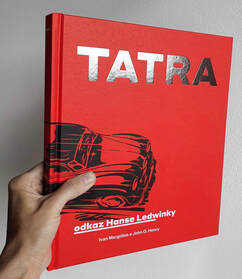
Ivan Margolius a John G. Henry, Tatra – Odkaz Hanse Ledwinky [Tatra – The Legacy of Hans Ledwinka], Argo, Praha, 2020, 232 stran, překlad Pavel Dufek, grafická úprava Jana Vahalíková, ISBN 978-80-257-3066-9, s předmluvou od Normana Fostera, a prologem 'Můj otec' od Ericha Ledwinky, vydáno v srpnu 2020 (Czech translation of the updated 2015 English edition with additional images published in August 2020).
Kniha vybraná Czech Design obchody.
"Kniha, na rozdíl od mnoha jiných na našem trhu, přináší soustředění historických faktů citlivě doplněných méně známými archivními fotografiemi a dokumenty, které doposud nebyly takto uveřejněny. Publikace je zajímavá i jejím grafickým zpracováním . Rozhodně stojí za pečlivé přečtení, ale i pořízení do knihovny nejen milovníky čs. automobilové historie!" Jan Tulis
"Je to nádherná knížka, moc se vám povedla ... Kniha, která čtivým způsobem přináší svědectví o jednom z nejvýznamnějších automobilových konstruktérů historie a také uceleně a čtivě sepsaný příběh automobilky, bez jejíhož odkazu by auta dnes nebyla tím, čím jsou." Eva Srpová, economia.cz
"Všechno co jsem dosud o tatrách četl jakoby bylo stále omezeno železnou oponou. Jste první kdo vývoj tatry zasadil do mezinárodních souvislostí … Jednoduše moc se mi to líbí." Jiří Mewald, Motor Journal
"Obsažná reprezentativní publikace bude v knihovně přínosem informací, radostí a oprávněné národní hrdosti." Jan Martof, Motor Journal 12/2020
"Pro toho, kdo se chce o Tatře a její nesmazatelné stopě v historii světového automobilismu dozvědět to nejdůležitější, a navíc příjemně čtivou formou, je ovšem rudý svazek se stříbrně vyraženým nápisem TATRA velmi dobrou volbou." Kopřivnické noviny, 1/10/2020
"Fabulous book on Tatra has just been published in Czech by Argo, Prague." Ian Willoughby, Radio Prague (Interview in Czech, interview in English)
Zdeněk Lukeš vybral tuto knihu do ankety Kniha roku 2020, Orientace, Lidové noviny, Praha 12/12/2020
"Kniha s vynikajícím obrazovým doprovodem, ... je pozoruhodná mnohostranou vyvážeností, ... je podobně elegantní a spolehlivá jako stříbrná Tatra T87." Zdenko Pavelka, Radio Vltava, Český rozhlas, 12/12/2020
"Obdiv k designu legendárních aut značky Tatra, ale i hluboké osobní pohnutky, vedly Ivana Margolia k sepsání publikace Tatra: odkaz Hanse Ledwinky." Blanka Kovaříková, Právo, Praha 22/1/2021
"Samozřejmě, že jde o technickou literaturu, ale o to více oceňuji, že knížka poskytuje neuvěřitelně čtivě psaný vhled do designového přemýšlení Hanse Ledwinky, hlavního konstruktéra československé automobilky založené v roce 1850 ... Oba autoři jsou architekti a jejich společný zájem o inovativní design automobilů vyústil v tuto fascinující studii." Vojtěch Hlavatý, Temple of Speed, 4/2021
Tatra kniha jmenovaná Kniha roku 2020 časopisem Respekt, Praha, prosinec 2020
"Loved the Tatra book." Lord Foster of Thames Bank
Kniha vybraná Czech Design obchody.
"Kniha, na rozdíl od mnoha jiných na našem trhu, přináší soustředění historických faktů citlivě doplněných méně známými archivními fotografiemi a dokumenty, které doposud nebyly takto uveřejněny. Publikace je zajímavá i jejím grafickým zpracováním . Rozhodně stojí za pečlivé přečtení, ale i pořízení do knihovny nejen milovníky čs. automobilové historie!" Jan Tulis
"Je to nádherná knížka, moc se vám povedla ... Kniha, která čtivým způsobem přináší svědectví o jednom z nejvýznamnějších automobilových konstruktérů historie a také uceleně a čtivě sepsaný příběh automobilky, bez jejíhož odkazu by auta dnes nebyla tím, čím jsou." Eva Srpová, economia.cz
"Všechno co jsem dosud o tatrách četl jakoby bylo stále omezeno železnou oponou. Jste první kdo vývoj tatry zasadil do mezinárodních souvislostí … Jednoduše moc se mi to líbí." Jiří Mewald, Motor Journal
"Obsažná reprezentativní publikace bude v knihovně přínosem informací, radostí a oprávněné národní hrdosti." Jan Martof, Motor Journal 12/2020
"Pro toho, kdo se chce o Tatře a její nesmazatelné stopě v historii světového automobilismu dozvědět to nejdůležitější, a navíc příjemně čtivou formou, je ovšem rudý svazek se stříbrně vyraženým nápisem TATRA velmi dobrou volbou." Kopřivnické noviny, 1/10/2020
"Fabulous book on Tatra has just been published in Czech by Argo, Prague." Ian Willoughby, Radio Prague (Interview in Czech, interview in English)
Zdeněk Lukeš vybral tuto knihu do ankety Kniha roku 2020, Orientace, Lidové noviny, Praha 12/12/2020
"Kniha s vynikajícím obrazovým doprovodem, ... je pozoruhodná mnohostranou vyvážeností, ... je podobně elegantní a spolehlivá jako stříbrná Tatra T87." Zdenko Pavelka, Radio Vltava, Český rozhlas, 12/12/2020
"Obdiv k designu legendárních aut značky Tatra, ale i hluboké osobní pohnutky, vedly Ivana Margolia k sepsání publikace Tatra: odkaz Hanse Ledwinky." Blanka Kovaříková, Právo, Praha 22/1/2021
"Samozřejmě, že jde o technickou literaturu, ale o to více oceňuji, že knížka poskytuje neuvěřitelně čtivě psaný vhled do designového přemýšlení Hanse Ledwinky, hlavního konstruktéra československé automobilky založené v roce 1850 ... Oba autoři jsou architekti a jejich společný zájem o inovativní design automobilů vyústil v tuto fascinující studii." Vojtěch Hlavatý, Temple of Speed, 4/2021
Tatra kniha jmenovaná Kniha roku 2020 časopisem Respekt, Praha, prosinec 2020
"Loved the Tatra book." Lord Foster of Thames Bank
*
"Přežila Osvětim, pochod smrti i pád na společenské dno. Osudové ženy: Heda Margoliová-Kovályová" rozhlas.cz Praha, January 11, 2020 ('She Survived Auschwitz, the Death March, even the Descent into the Society's Abyss. Women of Destiny: Heda Margolius Kovály', radio programme, in Czech, 25 minutes)
*
Ivan Margolius received an ‘Honorary Silver Medal of Jan Masaryk’ for his ‘outstanding contribution to the development of relations between the Czech Republic and the United Kingdom’ on the important occasion of the 30th anniversary of the Velvet Revolution in London in November 2019. Recent Medal recipients are Madeleine Albright, Kofi Annan, George P Shultz, Eva Jiřičná, Sir John Tusa, Petr Čech, Lord Dubs and others.
*
*
Ivan Margolius received an ‘Honorary Silver Medal of Jan Masaryk’ for his ‘outstanding contribution to the development of relations between the Czech Republic and the United Kingdom’ on the important occasion of the 30th anniversary of the Velvet Revolution in London in November 2019. Recent Medal recipients are Madeleine Albright, Kofi Annan, George P Shultz, Eva Jiřičná, Sir John Tusa, Petr Čech, Lord Dubs and others.
*
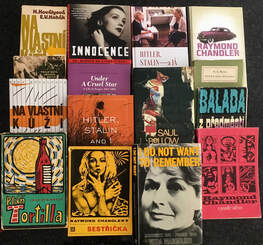
In September 2019 we celebrated Heda Margolius Kovály's 100th birthday with a small selection of her writings and translations.
Recent review of Under a Cruel Star:
"Heda Margolius Kovály was for many years a living example of the depth and despair the human spirit is made to endure when societies run amuck ... [The book] encapsulates a time and a place full of memories that we shouldn’t forget. A time when people were turned against one another, when suspicion and fear ruled the day and when loyalty to a party is greater than loyalty to facts and truth. “Truth alone does not prevail,” Kovaly wrote. “When it clashes with power, truth often loses. It prevails only when people are strong enough to defend it.” We do not speak enough today of this sort of freedom and truth ... We need to think about where we are now and compare it to where we have been. The world has seen much worse, but it won’t mean anything if we don’t use those lessons to conduct us forward ... Freedom, as Kovály fought for it, the right to live one’s life according to your conscience and in privacy, is basically about vigilance. It is something that we must not only guard for ourselves but for each other. And it is important to realize that freedom cannot be granted by what governments do but what they don’t do."
Alex Hubbard, Nashville Tennessean, December 20, 2019
Heda Kovály: ‘Those Who Were There – Voices from the Holocaust’
podcast
Yale University Fortunoff Video Archive for Holocaust Testimonies
October 2019
Recent review of Under a Cruel Star:
"Heda Margolius Kovály was for many years a living example of the depth and despair the human spirit is made to endure when societies run amuck ... [The book] encapsulates a time and a place full of memories that we shouldn’t forget. A time when people were turned against one another, when suspicion and fear ruled the day and when loyalty to a party is greater than loyalty to facts and truth. “Truth alone does not prevail,” Kovaly wrote. “When it clashes with power, truth often loses. It prevails only when people are strong enough to defend it.” We do not speak enough today of this sort of freedom and truth ... We need to think about where we are now and compare it to where we have been. The world has seen much worse, but it won’t mean anything if we don’t use those lessons to conduct us forward ... Freedom, as Kovály fought for it, the right to live one’s life according to your conscience and in privacy, is basically about vigilance. It is something that we must not only guard for ourselves but for each other. And it is important to realize that freedom cannot be granted by what governments do but what they don’t do."
Alex Hubbard, Nashville Tennessean, December 20, 2019
Heda Kovály: ‘Those Who Were There – Voices from the Holocaust’
podcast
Yale University Fortunoff Video Archive for Holocaust Testimonies
October 2019
Alex Zucker's translation of Heda Margolius Kovály's Innocence; or Murder on Steep Street, Soho Press, New York 2015, included in The 100 Best Books by Women Writers in Translation, August 2019 as number 21.
Book Riot 2019
*
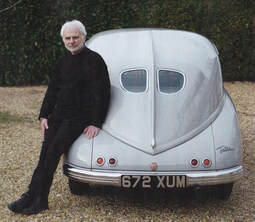
'Auto-Biography' article by Matthew Bell based on an interview with Ivan Margolius, The Automobile (UK), April 2019, pp. 34 – 37.
(Photo copyright: Tom Pilston)
*
(Photo copyright: Tom Pilston)
*
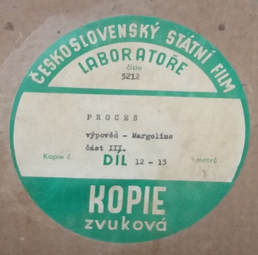
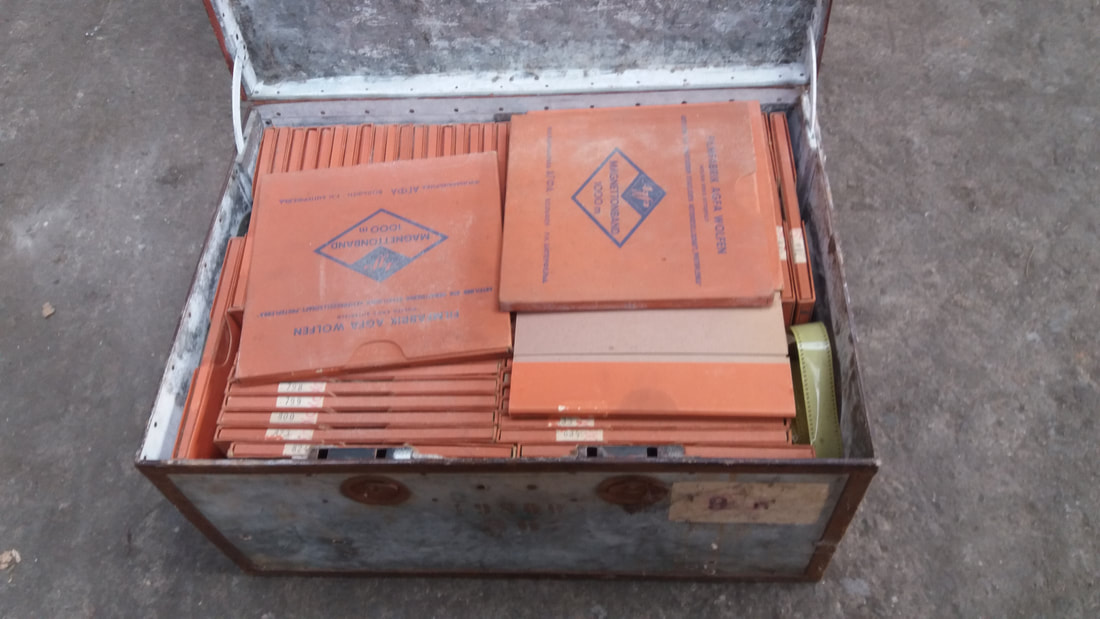
A label on the cardboard box containing the film recording of Rudolf Margolius’ testimony, 24 November, 1952 (photo copyright: Petr Blažek)
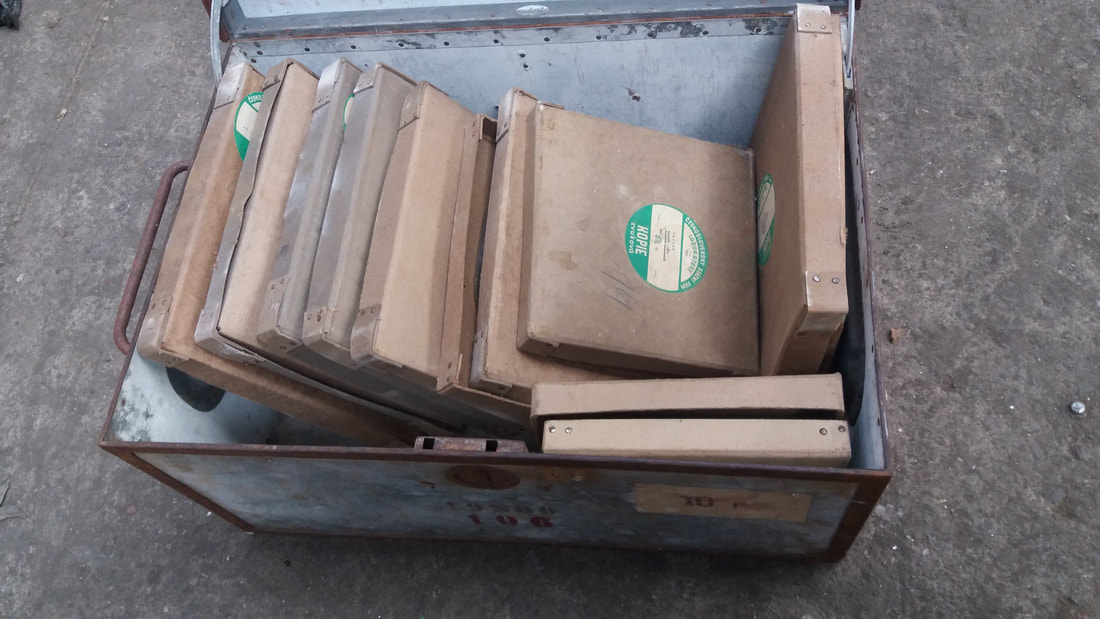
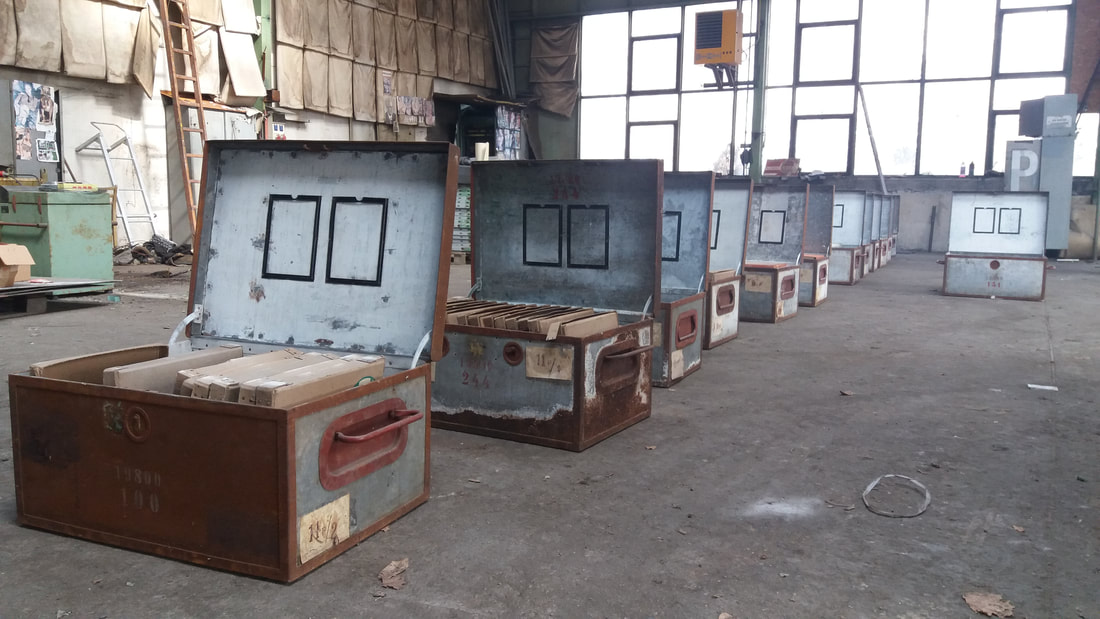
In March 2018 hours of film and sound recordings, much of it mould-damaged, believed to cover most of the Slánský Trial (November 20 – 27, 1952) were found stored in metal and wooden boxes along with a large number of classified Czechoslovak Communist Party documents in the bankrupt former metal research business premises in Panenské Břežany, near Prague. (photos copyright: Petr Blažek)
Interview with Ivan Margolius for the Euro magazine in Czech, April 2018
Interview with Ivan Margolius for Aktualne.cz in Czech, May 2018
In March 2018 hours of film and sound recordings, much of it mould-damaged, believed to cover most of the Slánský Trial (November 20 – 27, 1952) were found stored in metal and wooden boxes along with a large number of classified Czechoslovak Communist Party documents in the bankrupt former metal research business premises in Panenské Břežany, near Prague. (photos copyright: Petr Blažek)
Interview with Ivan Margolius for the Euro magazine in Czech, April 2018
Interview with Ivan Margolius for Aktualne.cz in Czech, May 2018
|
*
|
|
*
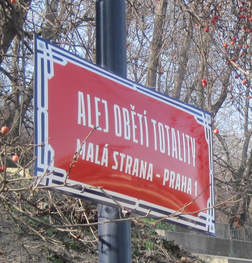
In 2016 Ivan Margolius suggested to the Prague Council for a street to be named ‘Obětí totality’ (Victims of Totalitarianism) which was realised in February 2018 by naming such the alleyway adjacent to the Memorial of the Victims of Communism at Újezd, Malá Strana.
Many thanks to Eliška Kaplický Fuchsová and the Prague City Council for arranging it on behalf of Rudolf Margolius and all the others who had suffered and lost their lives during the 1948-89 Communist regime in Czechoslovakia.
*
Many thanks to Eliška Kaplický Fuchsová and the Prague City Council for arranging it on behalf of Rudolf Margolius and all the others who had suffered and lost their lives during the 1948-89 Communist regime in Czechoslovakia.
*
Interview with Ivan Margolius about the forthcoming publication of
Hitler, Stalin and I on Radio Praha, 24 November, 2017
Hitler, Stalin and I on Radio Praha, 24 November, 2017
*
Ivan Margolius received the first prize in the 2017 British Czech and Slovak Association International Writing Competition on November 17, 2017 for his essay: 'Honzík and Yorke: How a Czech Architect Became the Prime Mover in the Ascent of Modern Architecture in Great Britain.'
*
*
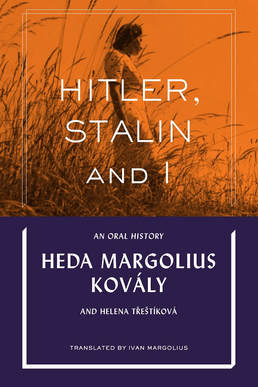
Hitler, Stalin and I: An Oral History by Heda Margolius Kovály and Helena Třeštíková
Prepared for publication and translated by Ivan Margolius with an introduction by Helena Třeštíková and Ivan Margolius
published by DoppelHouse Press, Los Angeles, 2018, 160 pages, ISBN 978-0-9987770-0-9 hc, 978-0-9978184-7-5 pb.
The book is recommended for students of European history.
"The material speaks so well to students: it's so expressive without being polemical, so very human. I've never found anything else that gives students such a vivid sense of that interaction of the experiences of Nazism and Stalinism in such a small number of pages. These young people are captivated by Heda; I see them falling in love with her a bit." Marci Shore, Professor of History, Yale University, February 2020
"It is a compelling read, appalling and inspiring, tragic and hopeful. Heda's voice comes through incredibly strongly and my admiration for her clear headed courage and determination is very deep. Full marks to the interviewer for her part in getting Heda's testimony on the record. The words and tone of voice do not strike a false note. The translation reads simply and without affect. I cannot begin to imagine what reading and re-reading about Rudolf's murder must have been like. What degrading times they were ... I am very pleased - if that is the word - to have read it." Sir John Tusa, September 2018
This book is founded on an interview with the late writer and memoirist Heda Margolius Kovály and was the basis for a documentary film shown on Czech television premiered in 2001. “This work stands out as one of the best examples of memoir literature … The book has extraordinary momentum, reads in ‘one sitting’ and, were it not a depiction of real life events, could be described as a suspense thriller ... The story is so engrossing and filled with such immediacy and realism that the narrator, speaking from the soul, instantly wins the hearts of readers ... Stories of people with admirable fortitude struggling even in the most hopeless situations with a cruel fate will always find their audience.”
Jan Hofírek, “An Exceptional Life Wandering Through the Century of Horrors”
Heda Margolius Kovály's Exceptional Life Navigating a Century of Horrors. The Nomadic Journal interview, August 2018
"Heda Margolius Kovály, in her oral history, gives a panoramic view of life-long survival in the face of despair and violence, while retaining optimism and faith in the better angels of human nature." Frank Shatz, The Virginia Gazette, 29 November, 2017
"EVERYONE should read this book ... You will feel the complete spectrum of emotions available to you, in this factual, hard-hitting interview of one of the few holocaust survivors. The writing is excellent, well-paced and sincere. There are black and white photos included that sometimes say more than any words could possibly attempt to. I highly recommend this book ...." mybookabyss.com
"Kovály's story is engrossing, immediate and real. Kovály speaks from within, from her soul and pulls us into her life. I actually read the book in one sitting because I did not feel I could or wanted to stop. Prepare yourselves for an emotional read." Amos Lassen
“It is hard to imagine a reader who would not be inspired by the momentous life of Heda Margolius depicted in Hitler, Stalin and I. [The book] is at once a harrowing journey, a kaleidoscope of images and sounds. If a reader truly hears the haunting words as if they are spoken one can begin to understand that this life and death human drama is not just about one survivor but a meaningful observation of an even more significant story about the bloody outcomes of extremism."
Laura Schultz, New York Journal of Books
"This book [is] fascinating, as it recounts a single person’s struggle to survive among millions. Oral interviews can be a gold mine for historians, and this is no exception. It provides individual experiences that get lost in the grand narratives, and it values the stories that people tell about how they lived through momentous events in their lifetimes. While the book is slim, with a lot of pictures, you will be enthralled that one person could live through so much." Kevin Winter, Tulsa Book Review
"Heda's torturous path through some of the 20th century's greatest calamities is rendered with deep wisdom and a poetic eye for detail. Her misfortunes, and her perseverance through them, make Hitler, Stalin and I both an important historical account and a testament to human endurance." Tobias Mutter, Shelf-Awareness.com, 13 March, 2018
"The book tells the story a very brave and intelligent woman, surviving without compromising her principles." thosgpetri, 5-star review, LibraryThing.com
"The book completes the story of an amazing, courageous woman who overcame tragedies that few could survive. I recommend this unforgettable book as highly as is possible." Charles Ota Heller, 5-star review, Amazon.com
"It's a lovely memoir of a woman who had to live in a world horribly less lovely. She seems to have been quietly feisty and not openly bitter ... It was a beautiful book. I came to thought (rare that I do) in many parts of it. 'Lovely' kept coming to mind as I read it. No matter the horrors. I hope she was as lovely a mum as the words read." Reader's comments
"An amazing personal record of events in Prague during and post World War Two, told in a way that makes compelling reading."
"Very moving memoir written by a deeply resilient survivor. May we all learn from such stories. Never again!"
"The book tells the story a very brave and intelligent woman, surviving without compromising her principles." Amazon readers comments
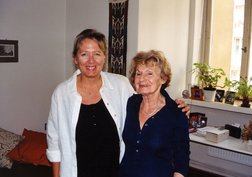
Helena Třeštíková and Heda Margolius Kovály, Prague, August 2000 (photo copyright: Vlastimil Hamerník)>
*
*
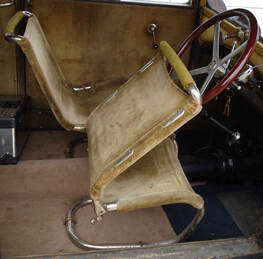
Ivan Margolius' research into the 1926 Tatra T12 cantilever tubular steel folding seats which inspired Mart Stam's S33 chair design.
See: https://www.czechfriends.net/images/NEWSLETTER14_MargoliusArticle_-_Tatra.pdf
Also published as 'Cars, Furniture, Architecture', in The Automobile, April 2016, pp. 54 - 58
and 'Automobily, nábytek, architektura' in Motor Journal (CR) no. 9/2017, pp. 40 - 43. (in Czech).
*
See: https://www.czechfriends.net/images/NEWSLETTER14_MargoliusArticle_-_Tatra.pdf
Also published as 'Cars, Furniture, Architecture', in The Automobile, April 2016, pp. 54 - 58
and 'Automobily, nábytek, architektura' in Motor Journal (CR) no. 9/2017, pp. 40 - 43. (in Czech).
*
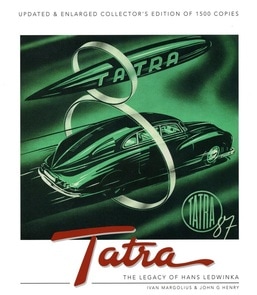
Tatra – The Legacy of Hans Ledwinka by Ivan Margolius and John G. Henry, new fully updated and revised collector's edition, Veloce Publishing, Dorchester, 2015, ISBN 978-1-845847-99-9, (including: foreword by Norman Foster and 'My Father' by Erich Ledwinka).
Available in the Czech Republic from www.techbooks.cz
All 1500 hardback copies sold, revised paperback edition ISBN 978-1787116-30-6 was released on 26 November, 2019.
Czech edition published in August 2020.
"I had great pleasure in being part of this book." Norman Foster
"This is a superb 224 page hardback book by Veloce containing 326 historic photographs and some great period colour artwork. Written by the two acknowledged authorities on Ledwinka, this highly recommended book goes into great detail about contemporary work into streamlining by Jaray and others that influenced Tatra and outlines other radical auto technologies being espoused in the Twenties and Thirties throughout Europe and beyond." Brian Palmer
"'Book of the Week' : This is an expansive account of the contribution made by the Czech manufacturer Tatra and the company's chief designer, Hans Ledwinka, to modern motoring ... Tatra is respected by engineers and designers alike, with prominent architect Norman Foster, himself a T87 owner, providing a foreword. The book is comprehensively illustrated with many fascinating photographs, illustrations, period marketing materials and factory images." Classic Car Weekly, 24/02/2016
"This book provides an in-depth history of the third oldest car company, and the achievements of its prewar driving force ... the large format, greatly improved reproduction and the many new images, particularly the appended period brochures, will make it difficult to resist adding this one to your bookshelf ... the book remains a fine tribute to a remarkable engineer." The Automobile, January 2016
"Suited to historians as much as car fans, this insightful look into the story of Czech auto maker Tatra and the legacy of car design legend Hans Ledwinka is a fine read ... This is a truly entertaining book." Auto Express, January 2016
"The book expands mainly through a greatly enlarged image portion bringing the whole story, and of course, goes on until today." Austro Classic, January 2016
"A testament to the Czech Republic's greatest marque and its talented engineer." Classic Cars, February 2016
"The authors present a new perspective on one of the most important automotive designers, Hans Ledwinka, and his impact on the development of Tatra ... the authors have managed to create a book that will captivate many who are interested in this topic, not only from the dedicated public abroad but also in the Czech Republic." Motor Journal (CZ), February 2016
"A book that any Tatra lover should have." Klassiek & Techniek, March 2016
"This brilliant second edition pays further tribute to Ledwinka and reinforces his position amongst the world's great designers. Nice reference work from Veloce." Tool Kit Car, June 2016
"An important, interesting and well produced book." Classic Driver, July 2016
"This book focuses on Ledwinka's Tatra car designs, which unfortunately have been all too often forgotten." AutoClassic, August 2016
"With their sculpted curves and scent of Italian futurism, Tatra cars first turned heads in the 1930s. They've been seducing designers ever since ... a fine book ... a fascinating account of a great marque." Hugh Pearman, The RIBA Journal, September 2016
"This authoritative book will provide hours of entertainment and education to any automotive enthusiast." Classics Monthly, December 2019
"The book content is ... excellent." The Automobile, January 2020
"This is a fine book for those interested." Auto Express, January 2020
"This informative book covers the full history of the marque from its founding right up to the final road cars produced in
1999 – although Tatra still exists as a truck-building company. The authors also lay down a convincing argument that
Ledwinka played a far more important role in the development of the automobile, something hard to disagree with. Fully
updated, this new edition features additional information and photographs plus insightful forewords from British architect
and Tatra T87 owner Norman Foster and Erich Ledwinka, Hans Ledwinka’s son." NZ Classic Driver, April 2020
"The book's appeal is across the board and will suit Tatra fans, automotive historians and casual readers, alike." Truck Kit Custom, April 2020
"Invaluable." Octane, August 2020
"A beautiful tribute to the genius Ledwinka and the revolutionary Tatra has become a must!" AutoTaal.be
"The Tatra brand may be gone, but the memories persist of the outstanding cars of this Czech marque and with them also lives the significant man who designed these vehicles : Hans Ledwinka. This book allows many insights into the genius of the design and progressiveness of constructions ...The work is extensively illustrated and impresses especially by the historical detail images that bring the reader closer to the very early Tatras." Zwischengas.de
"Beautifully designed ... What distinguishes this book is its scope ... The book has a depth and completeness ... This fascinating book deserves a place on the bookshelf of anyone who has an interest in automotive history and fine engineering." Speedreaders.info
"Margolius and Henry fill a gap in car history with this book ... this book is a 'must have' for those interested in the history of car design." CarArtSpot.com
"Absolutely fantastic. Brilliant job." A reader's comment.
Interview with Ivan Margolius
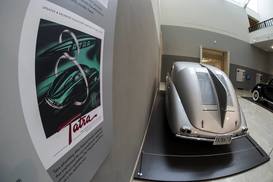
Tatra book cover displayed at 'The Shape of Speed' exhibition, Portland Art Museum, Portland, Oregon USA June-September 2018.
Available in the Czech Republic from www.techbooks.cz
All 1500 hardback copies sold, revised paperback edition ISBN 978-1787116-30-6 was released on 26 November, 2019.
Czech edition published in August 2020.
"I had great pleasure in being part of this book." Norman Foster
"This is a superb 224 page hardback book by Veloce containing 326 historic photographs and some great period colour artwork. Written by the two acknowledged authorities on Ledwinka, this highly recommended book goes into great detail about contemporary work into streamlining by Jaray and others that influenced Tatra and outlines other radical auto technologies being espoused in the Twenties and Thirties throughout Europe and beyond." Brian Palmer
"'Book of the Week' : This is an expansive account of the contribution made by the Czech manufacturer Tatra and the company's chief designer, Hans Ledwinka, to modern motoring ... Tatra is respected by engineers and designers alike, with prominent architect Norman Foster, himself a T87 owner, providing a foreword. The book is comprehensively illustrated with many fascinating photographs, illustrations, period marketing materials and factory images." Classic Car Weekly, 24/02/2016
"This book provides an in-depth history of the third oldest car company, and the achievements of its prewar driving force ... the large format, greatly improved reproduction and the many new images, particularly the appended period brochures, will make it difficult to resist adding this one to your bookshelf ... the book remains a fine tribute to a remarkable engineer." The Automobile, January 2016
"Suited to historians as much as car fans, this insightful look into the story of Czech auto maker Tatra and the legacy of car design legend Hans Ledwinka is a fine read ... This is a truly entertaining book." Auto Express, January 2016
"The book expands mainly through a greatly enlarged image portion bringing the whole story, and of course, goes on until today." Austro Classic, January 2016
"A testament to the Czech Republic's greatest marque and its talented engineer." Classic Cars, February 2016
"The authors present a new perspective on one of the most important automotive designers, Hans Ledwinka, and his impact on the development of Tatra ... the authors have managed to create a book that will captivate many who are interested in this topic, not only from the dedicated public abroad but also in the Czech Republic." Motor Journal (CZ), February 2016
"A book that any Tatra lover should have." Klassiek & Techniek, March 2016
"This brilliant second edition pays further tribute to Ledwinka and reinforces his position amongst the world's great designers. Nice reference work from Veloce." Tool Kit Car, June 2016
"An important, interesting and well produced book." Classic Driver, July 2016
"This book focuses on Ledwinka's Tatra car designs, which unfortunately have been all too often forgotten." AutoClassic, August 2016
"With their sculpted curves and scent of Italian futurism, Tatra cars first turned heads in the 1930s. They've been seducing designers ever since ... a fine book ... a fascinating account of a great marque." Hugh Pearman, The RIBA Journal, September 2016
"This authoritative book will provide hours of entertainment and education to any automotive enthusiast." Classics Monthly, December 2019
"The book content is ... excellent." The Automobile, January 2020
"This is a fine book for those interested." Auto Express, January 2020
"This informative book covers the full history of the marque from its founding right up to the final road cars produced in
1999 – although Tatra still exists as a truck-building company. The authors also lay down a convincing argument that
Ledwinka played a far more important role in the development of the automobile, something hard to disagree with. Fully
updated, this new edition features additional information and photographs plus insightful forewords from British architect
and Tatra T87 owner Norman Foster and Erich Ledwinka, Hans Ledwinka’s son." NZ Classic Driver, April 2020
"The book's appeal is across the board and will suit Tatra fans, automotive historians and casual readers, alike." Truck Kit Custom, April 2020
"Invaluable." Octane, August 2020
"A beautiful tribute to the genius Ledwinka and the revolutionary Tatra has become a must!" AutoTaal.be
"The Tatra brand may be gone, but the memories persist of the outstanding cars of this Czech marque and with them also lives the significant man who designed these vehicles : Hans Ledwinka. This book allows many insights into the genius of the design and progressiveness of constructions ...The work is extensively illustrated and impresses especially by the historical detail images that bring the reader closer to the very early Tatras." Zwischengas.de
"Beautifully designed ... What distinguishes this book is its scope ... The book has a depth and completeness ... This fascinating book deserves a place on the bookshelf of anyone who has an interest in automotive history and fine engineering." Speedreaders.info
"Margolius and Henry fill a gap in car history with this book ... this book is a 'must have' for those interested in the history of car design." CarArtSpot.com
"Absolutely fantastic. Brilliant job." A reader's comment.
Interview with Ivan Margolius
Tatra book cover displayed at 'The Shape of Speed' exhibition, Portland Art Museum, Portland, Oregon USA June-September 2018.
*
*
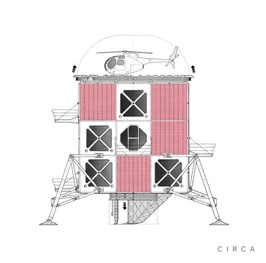

Jan Kaplický Drawings by Ivan Margolius and Richard Rogers, Circa Press, London, 2015, ISBN 978-0-9930721-0-9
Winner of the International DAM Architectural Book Award 2015
"A monograph about the work of the architecture visionary and visionary architect Jan Kaplický, which in the form of drawings and photomontages presents not the design studies his independent practice Future Systems actually realised, but rather projects which for the most part were never completed. Large-format panels feature radical designs such as the gigantic structure called the ‘Blob’, which Kaplický had land like a UFO on Trafalgar Square in London, and a ‘megastructure’, which if need be can change location, together with its residents. What many of the designs produced between 1975 and 1997 have in common is that, flaunting all building regulations, they still pursue a futurist idea of design freedom. The carefully produced book reveals the whole beauty of Kaplický's ink drawings and photomontages from a pre-CAD and pre-Photoshop era, though there is a certain irony in the fact that of all things a studio by the name of Future Systems kept digital technology out of its work for a long time." DAM Frankfurt jury verdict.
*
Winner of the International DAM Architectural Book Award 2015
"A monograph about the work of the architecture visionary and visionary architect Jan Kaplický, which in the form of drawings and photomontages presents not the design studies his independent practice Future Systems actually realised, but rather projects which for the most part were never completed. Large-format panels feature radical designs such as the gigantic structure called the ‘Blob’, which Kaplický had land like a UFO on Trafalgar Square in London, and a ‘megastructure’, which if need be can change location, together with its residents. What many of the designs produced between 1975 and 1997 have in common is that, flaunting all building regulations, they still pursue a futurist idea of design freedom. The carefully produced book reveals the whole beauty of Kaplický's ink drawings and photomontages from a pre-CAD and pre-Photoshop era, though there is a certain irony in the fact that of all things a studio by the name of Future Systems kept digital technology out of its work for a long time." DAM Frankfurt jury verdict.
*
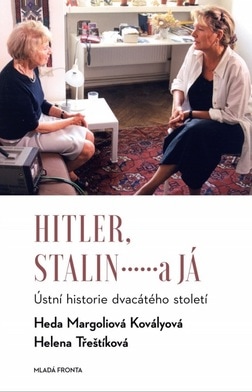
Heda Margoliová Kovályová a Helena Třeštíková, Hitler, Stalin a já: Ústní historie 20. století, Mladá fronta, Praha, 2015, ISBN 978-80-204-3625-2
English edition published by DoppelHouse Press, USA in 2018.
Založeno na rozhovoru Hedy Margoliové Kovályové, překladatelky a autorky knih Na vlastní kůži (Toronto 1973, Praha 1992, 2003, 2012) a Nevina (Köln 1985, Praha 2013), a Heleny Třeštíkové, filmové dokumentaristky, v bytě Hedy, v Praze 28. – 31. srpna 2000. K vydání připravil Ivan Margolius.
Dokumentární film Heleny Třeštíkové stejného názvu byl poprvé předveden Českou televizí v roce 2001. ISBN 978-80-204-3625-2
„Knížku jsem přečetl „na jeden zátah“, její děj je natolik strhující a navíc podaný s takovou bezprostředností a realističností, že si vypravěčka okamžitě získá srdce čtenáře, který ji na její životní pouti doprovází jako někoho, kdo je mu velmi blízký a kdo mu mnohdy „mluví z duše“. Příběhy lidí, kteří s obdivuhodnou statečností zápasí s krutým osudem i v těch nejbeznadějnějších situacích vždycky nacházely své čtenáře. Jsem přesvědčen, že nejinak tomu bude i v případě životní pouti paní Hedy Margoliové-Kovályové. Kniha jejích vzpomínek s názvem Hitler, Stalin…a já má čestné místo v mé knihovně a mohu ji s klidným svědomím doporučit všem, koho oslovují silné příběhy výjimečných osobností …po přečtení této knihy je jasné, že jde o dílo, které má plné právo být zařazeno do zlatého fondu memoárové literatury.” Jan Hofírek Kniha.cz
„Příběh, který napsal sám život, daleko předčí kdejakého scenáristu, který by byl, kdyby napsal postavu prožívající všechno, o čem hovořila Heda, určitě osočován z příliš bujné fantazie. Po všech útrapách byla paní Heda stále člověk s otevřenou myslí a v jejím vyprávění zaznívá spousta životních pravd. Od knihy se těžko odtrhnete, dokud neskončíte na poslední straně. Emocemi nabitý příběh, přesto realistický a bez příkras, vás nenechá v klidu." Kamila Pětrašová, Kultura 21
*
English edition published by DoppelHouse Press, USA in 2018.
Založeno na rozhovoru Hedy Margoliové Kovályové, překladatelky a autorky knih Na vlastní kůži (Toronto 1973, Praha 1992, 2003, 2012) a Nevina (Köln 1985, Praha 2013), a Heleny Třeštíkové, filmové dokumentaristky, v bytě Hedy, v Praze 28. – 31. srpna 2000. K vydání připravil Ivan Margolius.
Dokumentární film Heleny Třeštíkové stejného názvu byl poprvé předveden Českou televizí v roce 2001. ISBN 978-80-204-3625-2
„Knížku jsem přečetl „na jeden zátah“, její děj je natolik strhující a navíc podaný s takovou bezprostředností a realističností, že si vypravěčka okamžitě získá srdce čtenáře, který ji na její životní pouti doprovází jako někoho, kdo je mu velmi blízký a kdo mu mnohdy „mluví z duše“. Příběhy lidí, kteří s obdivuhodnou statečností zápasí s krutým osudem i v těch nejbeznadějnějších situacích vždycky nacházely své čtenáře. Jsem přesvědčen, že nejinak tomu bude i v případě životní pouti paní Hedy Margoliové-Kovályové. Kniha jejích vzpomínek s názvem Hitler, Stalin…a já má čestné místo v mé knihovně a mohu ji s klidným svědomím doporučit všem, koho oslovují silné příběhy výjimečných osobností …po přečtení této knihy je jasné, že jde o dílo, které má plné právo být zařazeno do zlatého fondu memoárové literatury.” Jan Hofírek Kniha.cz
„Příběh, který napsal sám život, daleko předčí kdejakého scenáristu, který by byl, kdyby napsal postavu prožívající všechno, o čem hovořila Heda, určitě osočován z příliš bujné fantazie. Po všech útrapách byla paní Heda stále člověk s otevřenou myslí a v jejím vyprávění zaznívá spousta životních pravd. Od knihy se těžko odtrhnete, dokud neskončíte na poslední straně. Emocemi nabitý příběh, přesto realistický a bez příkras, vás nenechá v klidu." Kamila Pětrašová, Kultura 21
*
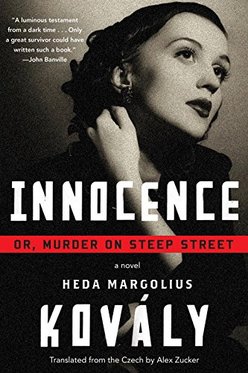
"Stalinist Noir"
Innocence; or, Murder on Steep Street by Heda Margolius Kovály
translated by Alex Zucker
Hardback edition ISBN 978-1-61695-496-3 published by Soho Press, New York, 2015.
Paperback edition ISBN 978-1-61695-645-5
Recorded book C03805 ISBN 978-1-4906-8072-9
http://sohopress.com/books/innocence/
Recommended by Nora Dolliver, New York Public Library Librarian, in 'Finding E-Books from Independent Publishers of Literary Translation', 12 May, 2020.
"Although it is crime fiction and designed to be fine reading there is a deeper philosophical point which is that there is no innocence ... To participate in the resistance is to take on the guilt of retaliation and to not participate is to take on the guilt of passivity.” Marci Shore, Radio Praha, March 2019
Alex Zucker's translation of Heda Margolius Kovály's Innocence; or Murder on Steep Street, Soho Press, New York 2015, included in The 100 Best Books by Women Writers in Translation, August 2019 as number 21.
Book Riot 2019
Interview with Alex Zucker
Excerpt published in New Perspectives, volume 25, number 3 / 2017, Cultural Cut, pp. 1 - 30
An NPR Best Book in 2015
Included in NPR's Best Books of 2015 'Historical Fiction, Mysteries & Thrillers, Tales From Around the World'
"Innocence is a sharp, moving indictment of Soviet-style communism, and of any ideology that relies on fear to subdue." Star Tribune
"A luminous testament from a dark time, Innocence is at once a clever hommage to Raymond Chandler, and a portrait of a city – Prague – caught and held fast in a state of Kafkaesque paranoia. Only a great survivor could have written such a book." John Banville
"Double lives, secrets, informers, microdots, and above all, lies . . . Set in post-war Prague, a repressive political maze, Innocence is a must-read, a psychological drama played out in crystal prose. Not only did Heda Margolius Kovály write an emotionally wrenching tale, she lived it during the 1950s Communist state." Cara Black
"Innocence is an extraordinary novel ... in 1985, Kovály produced a remarkable work of art with the intrigue of a spy puzzle, the irony of a political fable, the shrewdness of a novel of manners, and the toughness of a hard-boiled murder mystery ... Just as few will anticipate the many surprises and artful turns of Innocence, a book sure to dazzle and please a great many readers." Tom Nolan, The Best New Mysteries, The Wall Street Journal
"Dead-cinch thriller ... A book to get your heart pounding ... deadly accurate in its aim to entertain ... The great draw of Innocence; or, Murder on Steep Street is the menacing view it gives us of Communist Prague. Helena, for instance, describes being hustled into a small interrogation room and having 'pairs [of men's eyes] stick to [her] face like frog's legs.' Kovály channels Chandler but takes him into a landscape far, far away from wide-open L.A." Maureen Corrigan, Fresh Air, NPR WNYC, 6 July, 2015
"With this character-driven, philosophical mystery, Kovály has taken her experience and combined it with the vocabulary of classic crime fiction to create something that is engagingly familiar, yet all her own." Rain Taxi
"Kovály's skills as a mystery writer shines, as she uses suspense, hints, and suggestions to literally play with the reader's mind ... Innocence is an excellent novel for readers who are up for a challenging, intelligent, and complex story – one that paints a masterful picture of a bleak, Kafkaesque, and highly intriguing time, place, and cast of characters." New York Journal of Books 2 June, 2015
"A wonderfully atmospheric crime novel of 1950s Prague." David Vaughan, rozhlas.cz
"Like her Auschwitz memoir, this book cries out for a wider audience... Hard life inspires fast fiction ... Innocence wrought from years of bitter struggle with some nastiest elements of human nature – deceit, corruption, betrayal – it emerges as an underrated, subtle masterpiece ... Innocence is astonishingly – and brilliantly – written as a thriller in the style of Raymond Chandler, an author Kovály hugely admired. The mean streets her characters tread are infinitely more treacherous than the dark blocks of Los Angeles but she creates a plot packed with surprise, a character-driven, murderous matrix that sustains an amoral universe in an all-too-convincing story. As Clive James said of Under a Cruel Star, in his book Cultural Amnesia, Innocence deserves to be a lot more famous than it is." Anne Garvey, The Jewish Chronicle
"Although not out of love for Hegel, Heda Margolius Kovály makes a very Hegelian point: actions, as Hegel tells us in the section on Antigone in Phenomenology of Spirit – even seemingly small, meaningless actions – always reach beyond their intent; and the impossibility of foreseeing how the consequences will ripple outwards does not absolve us of guilt. As for innocence, the woman who went to hell twice wants her readers to know that there is no such thing." Marci Shore, The Times Literary Supplement, 29 July, 2015
"In noirish tones, [Innocence] depicts the dark streets, the lost souls, and a very difficult time to be judged guilty or innocent by one’s supposed friends or by the oppressive and rising Czechoslovakian Communist regime." Booklist
"Previously unpublished in English, this mystery by the late Czech translator and author of the memoir Under a Cruel Star vividly depicts Communist-oppressed 1950s Prague... That Kovály's first husband was unjustly executed by the Czechoslovak Communist Party in 1952 gives her narrative of double lives and betrayal a painful veracity." Publishers Weekly
"There is a great deal over which to marvel in Innocence: Or, Murder on Steep Street. The narrative is riveting. The art of its telling is powerful. And the back story to its publication is itself worthy of recounting: a testament to the author’s steely will to hallow memory and, in so doing, bring a semblance of balance to history’s often skewed scales of justice ... Imagine the works by Koestler or Solzhenitsyn about life in a police state. Imagine, too, the narrow, social and cultural strictures in the world depicted by Kafka. As skilfully as they, Kovály depicts the desperate emptiness, the deep, crushing lack of purpose and pervasive fear of everyday life under totalitarian conditions ... Innocence is a psychological thriller. Since conversation with others is fraught with risk, only conversation with one’s self is safe. Hence, Kovály brings the readers into the private chambers of her characters’ thoughts and pitiful, despairing lives. And she does so masterfully. She writes mournfully of the desolation of the characters’ lives, but not in over-wrought prose. The language is sculpted by the harsh self-awareness of the extent to which other people control one’s life ...Kovály's book is an important and rewarding read. " The Canadian Jewish News
"Capturing the fear and oppression of living in a police state, this dark novel, reflective of its time and written by a writer who lived her material, will enthral noir enthusiasts and readers of literary historical fiction." Library Journal
"Innocence is a remarkable story that combines cultural and political observations with crime fiction. It is a testimony to the most brutal times of the 20th century." Frank Shatz, Lake Placid News
"The novel’s best aspect is its portrayal of time and place. Fear fills Prague and its residents’ hearts in the 1950s; no one can trust anyone. With many scenes occurring at nighttime, a sense of darkness spreads as the story unfolds." San Antonio Express-News
"Innocence is an intriguing reimagining of crime genre in the context of Prague of the 1950s ... In the trivialising of evil lies the link between Kovály’s Holocaust memoir and Innocence, as well as the dark undertone that makes her crime novel so distinctive and powerful." International Noir Fiction
"Kovály's novel is rich with fear and paranoia ... In many ways, the characters isolate themselves from one another on the basis that either they have reservations about the honesty of the other person - or they themselves are dishonest, keeping their secrets stitched snugly to their breast. In turn, readers get a truer sense of the political tyranny of the decade, the stresses and challenges real people faced, and the consequences of such a volatile environment both on the individual and the community as a whole. INNOCENCE is an excellent read that I highly recommend." Fresh Fiction
"Kovály’s novel of double-crosses and double lives is made all the more authentic by the fact that her first husband was executed by the Communist party in 1952." The Strand Magazine
"Though it is a fabulous mystery story just on its own merits, knowing that in a way you are reading an almost biographical account of life in the Czech Republic during the post war era, makes this novel seem that much more chilling. This mystery recreates for the reader the stifling atmosphere of political and personal oppression of the early days of Communist Czechoslovakia." Bite of the Bookworm
"I enjoyed the author’s characterisations and her ability to convey the fear and distrust Czechoslovakians felt during the totalitarian, repressive Stalinist era." Library Journal Reviews
"The mystery was solid and the intrigue was well played out. I’m glad this intense and powerful novel has finally been brought to light." Crimespree Magazine
"Best new mystery." Toronto Star, 27 June, 2015.
"A very entertaining literary experience." Night Owl Suspense
"... A compelling sequence of memorable scenes and taut suspense. No car chases, no gunfights, but the grit and betrayal of espionage are here, along with its pained consequences." Beth Kanell, Kingdom Books, Mysteries - Classic to Cutting Edge
"A perfect feminist noir ... This rediscovered masterpiece captures a chilling moment in the stifling early days of Communist Czechoslovakia ... Margolius Kovály’s vision of 1950s Prague is marked not only by terror, but by shame and humiliation as well. Her heroine must be both fearless and shameless to get even close to achieving her goals, but this is a Soviet noir, so don’t count on a happy ending. Do, however, count on beautiful, intricate, and bleak noir from a master of the genre." MysteryPeople, BookPeople Austin.
"A beautiful book -- maybe not so much a great mystery novel, but once you're into it you start to realise that the crime component truly is not the important story here. Even if it turned out to be something I wasn't really expecting, I loved this book." The Crime Segments
"This is a brief but powerful novel about everyday people trying to navigate and negotiate, through honest and dishonest means, the tyranny of a communist regime that wants to destroy people who appear not to conform. I came away feeling sad after reading the novel but very much aware of how the people of that time and place had to act in order to survive." Historical Novel Society
"A dark brooding and haunting novel of life in Communist Prague." Military History Book Reviews
"Innocence is haunting and extraordinary." Kittling Books
"An intensely interesting novel." Reviewing the Evidence
"Best Books in Translation this June 2015"
"Best Summer Books 2015: Mystery & Thrillers"
"It is with great pride that Soho brings to life this remarkable story, which deftly combines the cultural and political observations of crime fiction with the more emotionally powerful biographical elements of an author that lived through the 20th century's most brutal times and survived to tell the tale with great humor, wit, and in the case of Innocence, cunning." Broadway World Books
"Innocence, or Murder on Streep Street is clever and satisfying ... At the heart [of the book] is an expose of an inhuman and corrupt society but more than that, a hard and depressing lesson that true innocence in such is unsustainable." Lizzy's Literary Life August 2016.
Translating Fact into Fiction, Alex Zucker on translating Innocence
“There is a relatively unknown novel by Heda Margolius Kovály, the widow of Rudolf Margolius, who was executed in the Slánský trial. She was known best for her memoir, Under a Cruel Star, which is an extraordinary memoir. But she also wrote this work of crime fiction. It is set in a movie theatre in 1952. It was just published in English a couple of years ago, posthumously, and it is called Innocence. Although it is crime fiction and designed to be fine reading there is a deeper philosophical point which is that there is no innocence.” "So in other words you are saying that experience left no one with clean hands?" “Exactly. Either way you are guilty. To participate in the resistance is to take on the guilt of retaliation and to not participate is to take on the guilt of passivity.” Interview with Professor Marci Shore, Radio Praha, 23 March, 2019
"This novel is a brilliant example of something very challenging that engages each and every brain cells of the readers to contemplate in their own way and also of something which is thoroughly insightful enough to show the readers a dark picture of the reality as well as of the human souls.
Verdict: In one word, a must read, only if you can handle complexities and multi layers in a plot." Amazon.com
"Outstanding, riveting and wonderful!!!" Amazon.com
An award-winning translator opens up Innocence to a new audience.
American literary translator Alex Zucker, winner of the PEN Translation Prize and National Translation Award, has translated Innocence into English for Soho’s publication.
Innocence; or, Murder on Steep Street by Heda Margolius Kovály
translated by Alex Zucker
Hardback edition ISBN 978-1-61695-496-3 published by Soho Press, New York, 2015.
Paperback edition ISBN 978-1-61695-645-5
Recorded book C03805 ISBN 978-1-4906-8072-9
http://sohopress.com/books/innocence/
Recommended by Nora Dolliver, New York Public Library Librarian, in 'Finding E-Books from Independent Publishers of Literary Translation', 12 May, 2020.
"Although it is crime fiction and designed to be fine reading there is a deeper philosophical point which is that there is no innocence ... To participate in the resistance is to take on the guilt of retaliation and to not participate is to take on the guilt of passivity.” Marci Shore, Radio Praha, March 2019
Alex Zucker's translation of Heda Margolius Kovály's Innocence; or Murder on Steep Street, Soho Press, New York 2015, included in The 100 Best Books by Women Writers in Translation, August 2019 as number 21.
Book Riot 2019
Interview with Alex Zucker
Excerpt published in New Perspectives, volume 25, number 3 / 2017, Cultural Cut, pp. 1 - 30
An NPR Best Book in 2015
Included in NPR's Best Books of 2015 'Historical Fiction, Mysteries & Thrillers, Tales From Around the World'
"Innocence is a sharp, moving indictment of Soviet-style communism, and of any ideology that relies on fear to subdue." Star Tribune
"A luminous testament from a dark time, Innocence is at once a clever hommage to Raymond Chandler, and a portrait of a city – Prague – caught and held fast in a state of Kafkaesque paranoia. Only a great survivor could have written such a book." John Banville
"Double lives, secrets, informers, microdots, and above all, lies . . . Set in post-war Prague, a repressive political maze, Innocence is a must-read, a psychological drama played out in crystal prose. Not only did Heda Margolius Kovály write an emotionally wrenching tale, she lived it during the 1950s Communist state." Cara Black
"Innocence is an extraordinary novel ... in 1985, Kovály produced a remarkable work of art with the intrigue of a spy puzzle, the irony of a political fable, the shrewdness of a novel of manners, and the toughness of a hard-boiled murder mystery ... Just as few will anticipate the many surprises and artful turns of Innocence, a book sure to dazzle and please a great many readers." Tom Nolan, The Best New Mysteries, The Wall Street Journal
"Dead-cinch thriller ... A book to get your heart pounding ... deadly accurate in its aim to entertain ... The great draw of Innocence; or, Murder on Steep Street is the menacing view it gives us of Communist Prague. Helena, for instance, describes being hustled into a small interrogation room and having 'pairs [of men's eyes] stick to [her] face like frog's legs.' Kovály channels Chandler but takes him into a landscape far, far away from wide-open L.A." Maureen Corrigan, Fresh Air, NPR WNYC, 6 July, 2015
"With this character-driven, philosophical mystery, Kovály has taken her experience and combined it with the vocabulary of classic crime fiction to create something that is engagingly familiar, yet all her own." Rain Taxi
"Kovály's skills as a mystery writer shines, as she uses suspense, hints, and suggestions to literally play with the reader's mind ... Innocence is an excellent novel for readers who are up for a challenging, intelligent, and complex story – one that paints a masterful picture of a bleak, Kafkaesque, and highly intriguing time, place, and cast of characters." New York Journal of Books 2 June, 2015
"A wonderfully atmospheric crime novel of 1950s Prague." David Vaughan, rozhlas.cz
"Like her Auschwitz memoir, this book cries out for a wider audience... Hard life inspires fast fiction ... Innocence wrought from years of bitter struggle with some nastiest elements of human nature – deceit, corruption, betrayal – it emerges as an underrated, subtle masterpiece ... Innocence is astonishingly – and brilliantly – written as a thriller in the style of Raymond Chandler, an author Kovály hugely admired. The mean streets her characters tread are infinitely more treacherous than the dark blocks of Los Angeles but she creates a plot packed with surprise, a character-driven, murderous matrix that sustains an amoral universe in an all-too-convincing story. As Clive James said of Under a Cruel Star, in his book Cultural Amnesia, Innocence deserves to be a lot more famous than it is." Anne Garvey, The Jewish Chronicle
"Although not out of love for Hegel, Heda Margolius Kovály makes a very Hegelian point: actions, as Hegel tells us in the section on Antigone in Phenomenology of Spirit – even seemingly small, meaningless actions – always reach beyond their intent; and the impossibility of foreseeing how the consequences will ripple outwards does not absolve us of guilt. As for innocence, the woman who went to hell twice wants her readers to know that there is no such thing." Marci Shore, The Times Literary Supplement, 29 July, 2015
"In noirish tones, [Innocence] depicts the dark streets, the lost souls, and a very difficult time to be judged guilty or innocent by one’s supposed friends or by the oppressive and rising Czechoslovakian Communist regime." Booklist
"Previously unpublished in English, this mystery by the late Czech translator and author of the memoir Under a Cruel Star vividly depicts Communist-oppressed 1950s Prague... That Kovály's first husband was unjustly executed by the Czechoslovak Communist Party in 1952 gives her narrative of double lives and betrayal a painful veracity." Publishers Weekly
"There is a great deal over which to marvel in Innocence: Or, Murder on Steep Street. The narrative is riveting. The art of its telling is powerful. And the back story to its publication is itself worthy of recounting: a testament to the author’s steely will to hallow memory and, in so doing, bring a semblance of balance to history’s often skewed scales of justice ... Imagine the works by Koestler or Solzhenitsyn about life in a police state. Imagine, too, the narrow, social and cultural strictures in the world depicted by Kafka. As skilfully as they, Kovály depicts the desperate emptiness, the deep, crushing lack of purpose and pervasive fear of everyday life under totalitarian conditions ... Innocence is a psychological thriller. Since conversation with others is fraught with risk, only conversation with one’s self is safe. Hence, Kovály brings the readers into the private chambers of her characters’ thoughts and pitiful, despairing lives. And she does so masterfully. She writes mournfully of the desolation of the characters’ lives, but not in over-wrought prose. The language is sculpted by the harsh self-awareness of the extent to which other people control one’s life ...Kovály's book is an important and rewarding read. " The Canadian Jewish News
"Capturing the fear and oppression of living in a police state, this dark novel, reflective of its time and written by a writer who lived her material, will enthral noir enthusiasts and readers of literary historical fiction." Library Journal
"Innocence is a remarkable story that combines cultural and political observations with crime fiction. It is a testimony to the most brutal times of the 20th century." Frank Shatz, Lake Placid News
"The novel’s best aspect is its portrayal of time and place. Fear fills Prague and its residents’ hearts in the 1950s; no one can trust anyone. With many scenes occurring at nighttime, a sense of darkness spreads as the story unfolds." San Antonio Express-News
"Innocence is an intriguing reimagining of crime genre in the context of Prague of the 1950s ... In the trivialising of evil lies the link between Kovály’s Holocaust memoir and Innocence, as well as the dark undertone that makes her crime novel so distinctive and powerful." International Noir Fiction
"Kovály's novel is rich with fear and paranoia ... In many ways, the characters isolate themselves from one another on the basis that either they have reservations about the honesty of the other person - or they themselves are dishonest, keeping their secrets stitched snugly to their breast. In turn, readers get a truer sense of the political tyranny of the decade, the stresses and challenges real people faced, and the consequences of such a volatile environment both on the individual and the community as a whole. INNOCENCE is an excellent read that I highly recommend." Fresh Fiction
"Kovály’s novel of double-crosses and double lives is made all the more authentic by the fact that her first husband was executed by the Communist party in 1952." The Strand Magazine
"Though it is a fabulous mystery story just on its own merits, knowing that in a way you are reading an almost biographical account of life in the Czech Republic during the post war era, makes this novel seem that much more chilling. This mystery recreates for the reader the stifling atmosphere of political and personal oppression of the early days of Communist Czechoslovakia." Bite of the Bookworm
"I enjoyed the author’s characterisations and her ability to convey the fear and distrust Czechoslovakians felt during the totalitarian, repressive Stalinist era." Library Journal Reviews
"The mystery was solid and the intrigue was well played out. I’m glad this intense and powerful novel has finally been brought to light." Crimespree Magazine
"Best new mystery." Toronto Star, 27 June, 2015.
"A very entertaining literary experience." Night Owl Suspense
"... A compelling sequence of memorable scenes and taut suspense. No car chases, no gunfights, but the grit and betrayal of espionage are here, along with its pained consequences." Beth Kanell, Kingdom Books, Mysteries - Classic to Cutting Edge
"A perfect feminist noir ... This rediscovered masterpiece captures a chilling moment in the stifling early days of Communist Czechoslovakia ... Margolius Kovály’s vision of 1950s Prague is marked not only by terror, but by shame and humiliation as well. Her heroine must be both fearless and shameless to get even close to achieving her goals, but this is a Soviet noir, so don’t count on a happy ending. Do, however, count on beautiful, intricate, and bleak noir from a master of the genre." MysteryPeople, BookPeople Austin.
"A beautiful book -- maybe not so much a great mystery novel, but once you're into it you start to realise that the crime component truly is not the important story here. Even if it turned out to be something I wasn't really expecting, I loved this book." The Crime Segments
"This is a brief but powerful novel about everyday people trying to navigate and negotiate, through honest and dishonest means, the tyranny of a communist regime that wants to destroy people who appear not to conform. I came away feeling sad after reading the novel but very much aware of how the people of that time and place had to act in order to survive." Historical Novel Society
"A dark brooding and haunting novel of life in Communist Prague." Military History Book Reviews
"Innocence is haunting and extraordinary." Kittling Books
"An intensely interesting novel." Reviewing the Evidence
"Best Books in Translation this June 2015"
"Best Summer Books 2015: Mystery & Thrillers"
"It is with great pride that Soho brings to life this remarkable story, which deftly combines the cultural and political observations of crime fiction with the more emotionally powerful biographical elements of an author that lived through the 20th century's most brutal times and survived to tell the tale with great humor, wit, and in the case of Innocence, cunning." Broadway World Books
"Innocence, or Murder on Streep Street is clever and satisfying ... At the heart [of the book] is an expose of an inhuman and corrupt society but more than that, a hard and depressing lesson that true innocence in such is unsustainable." Lizzy's Literary Life August 2016.
Translating Fact into Fiction, Alex Zucker on translating Innocence
“There is a relatively unknown novel by Heda Margolius Kovály, the widow of Rudolf Margolius, who was executed in the Slánský trial. She was known best for her memoir, Under a Cruel Star, which is an extraordinary memoir. But she also wrote this work of crime fiction. It is set in a movie theatre in 1952. It was just published in English a couple of years ago, posthumously, and it is called Innocence. Although it is crime fiction and designed to be fine reading there is a deeper philosophical point which is that there is no innocence.” "So in other words you are saying that experience left no one with clean hands?" “Exactly. Either way you are guilty. To participate in the resistance is to take on the guilt of retaliation and to not participate is to take on the guilt of passivity.” Interview with Professor Marci Shore, Radio Praha, 23 March, 2019
"This novel is a brilliant example of something very challenging that engages each and every brain cells of the readers to contemplate in their own way and also of something which is thoroughly insightful enough to show the readers a dark picture of the reality as well as of the human souls.
Verdict: In one word, a must read, only if you can handle complexities and multi layers in a plot." Amazon.com
"Outstanding, riveting and wonderful!!!" Amazon.com
An award-winning translator opens up Innocence to a new audience.
American literary translator Alex Zucker, winner of the PEN Translation Prize and National Translation Award, has translated Innocence into English for Soho’s publication.
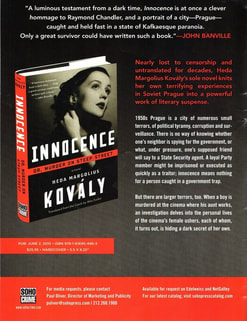
Copyright © 2024 Ivan Margolius